
Choices
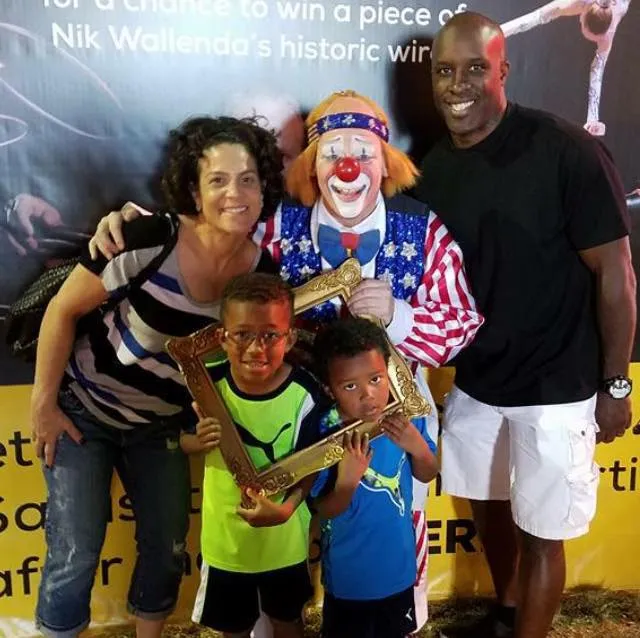
On paper it didn’t seem promising. But that’s because life is a game and until you play it, you can never know the true outcome.
Born to two teenage parents, in basic poverty, the start for Hiawatha Street seemed destined for little more than his environment would allow, trouble, and a life without hope. But as Hiawatha would discover, it’s about how you observe all that is around you and at the same time, use what’s inside you, to bring about change.
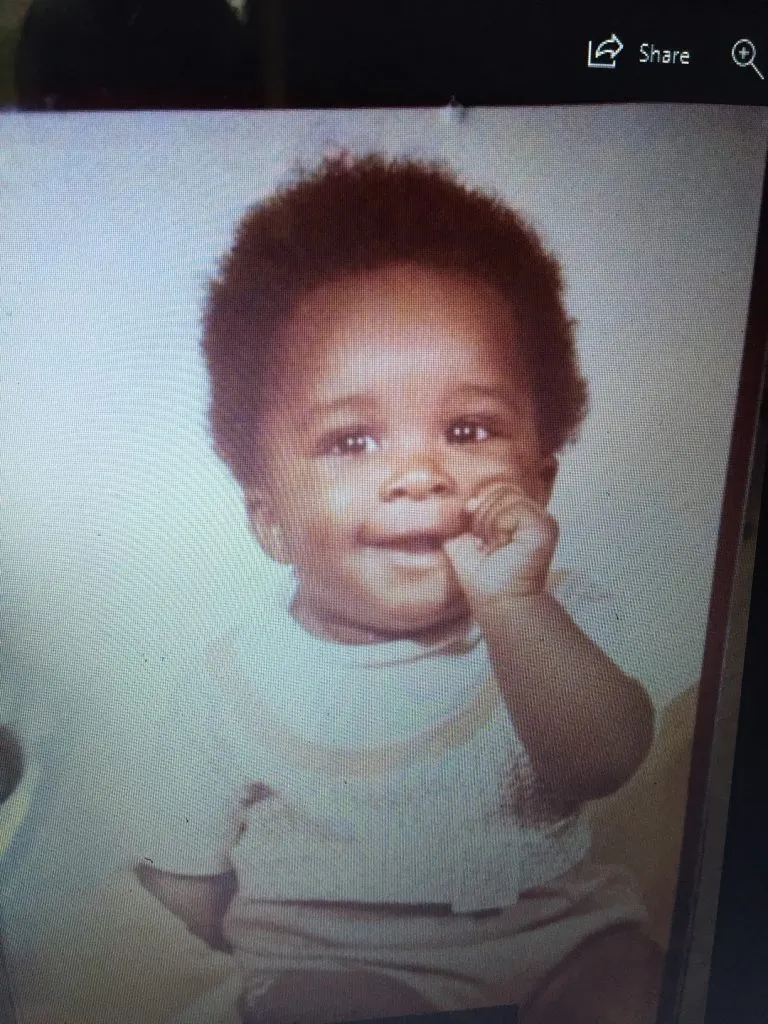
“The crazy thing is when I look back at the kids I knew growing up, they had the same aspirations and dreams as others,” says Hiawatha. But as he also witnessed, the environment was an obstacle most of his friends could not overcome. “It was typical inner city stuff, drugs and violence,” says Hiawatha. “There were fights, I saw people get stabbed over two-dollars in a card game. The first time I ever saw a dead body I was in the third grade. Those are things that anyone in their lifetime shouldn’t see. It’s something that stays with you.”
“Where I grew up taught me to be a little bit tougher. People living in an area who don’t have financial means, don’t have correct outlets, do things out of haste, because life is not going the way they want it to go. They take elements of what the street is providing for them. Poor people stealing from poor people. It’s very counter-productive.”
Fortunately for Hiawatha his mother decided she needed to give her son a better way. By the time he was in the fourth grade his mother moved them away from the government housing Phoenix, Arizona and into Scottsdale, still in Section 8 housing and living on food stamps, but as Hiawatha describes it, “a little bit better environment.”
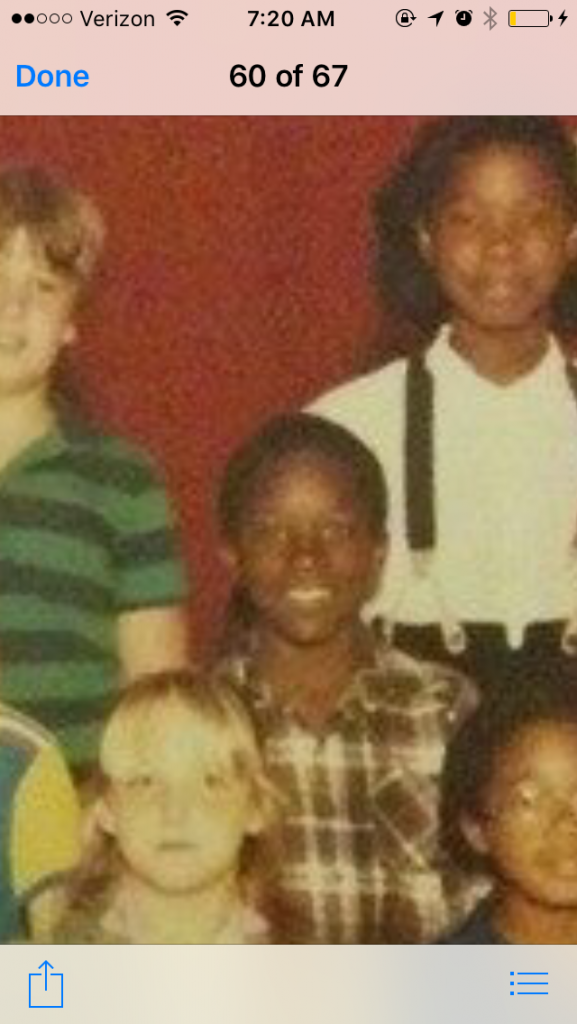
Hiawatha was also strengthened by his faith. He says his grandmother was especially strong in her religious background and foundation and he spent a lot of time in the Baptist church, which helped him in his belief he could do more and was meant for more. He says he also gained influence from another family member, his uncle, Matthew Phifer, a top-rated basketball player in the state of Arizona. Matthew was only ten years older than his younger nephew and the two formed a great friendship. “Matthew was super-talented,” says Hiawatha. “But three-quarters of the way through high school he became more interested in hanging out and chasing girls, which derailed his career.”
The lessons learned enabled Matthew to “school” Hiawatha on some basic principles in life. “He told me you have a lot of talent, (in sports), don’t let it fall by the wayside,” says Hiawatha. “He told me to stay in school, stay focused. I started playing heavy into sports in fifth and sixth grades… Pop Warner football, Boys and Girls club basketball. Matthew was trying to make sure I was being productive. He would take me to games and brag on me. He was a very proud uncle. He was trying to make sure I did not make the same mistakes he did.”
With his uncle in his corner and his mother trying to make a better life for her son, things improved. Hiawatha says his dad, though away much of the time in the military, was very supportive. Hiawatha says it enabled him to navigate his own path as well, away from the same demons which conquered many of his friends and some of his family.
“Life is hard enough growing up and being in this world,” says Hiawatha. “I tried to be a kid who stayed away from trouble because I saw how difficult it made people’s lives. I stayed away from drugs and alcohol growing up, even as I got older, I didn’t get involved. There was nothing good I ever saw involving alcohol. I didn’t want to be anywhere, anytime and not have a clear head. I also saw my grandfather pass away because of alcoholism. Anything I saw as damaging I tried to stay away from. As a kid I wanted to follow the path that was good and stay away from all that was bad.”
Choices.
Hiawatha says his outlet was sports. He could simply focus on that element of his life and pour his energy into it. “Sports was my equalizer,” says Hiawatha. “Everyone was competing at the same time on a level playing field. We played all over the city and I could forget about the environment I was in. I was also blessed in having great people around me. My uncle, my mom, my dad, my grandmother. Seeing bad choices people made, made me realize I don’t want to make that choice.”
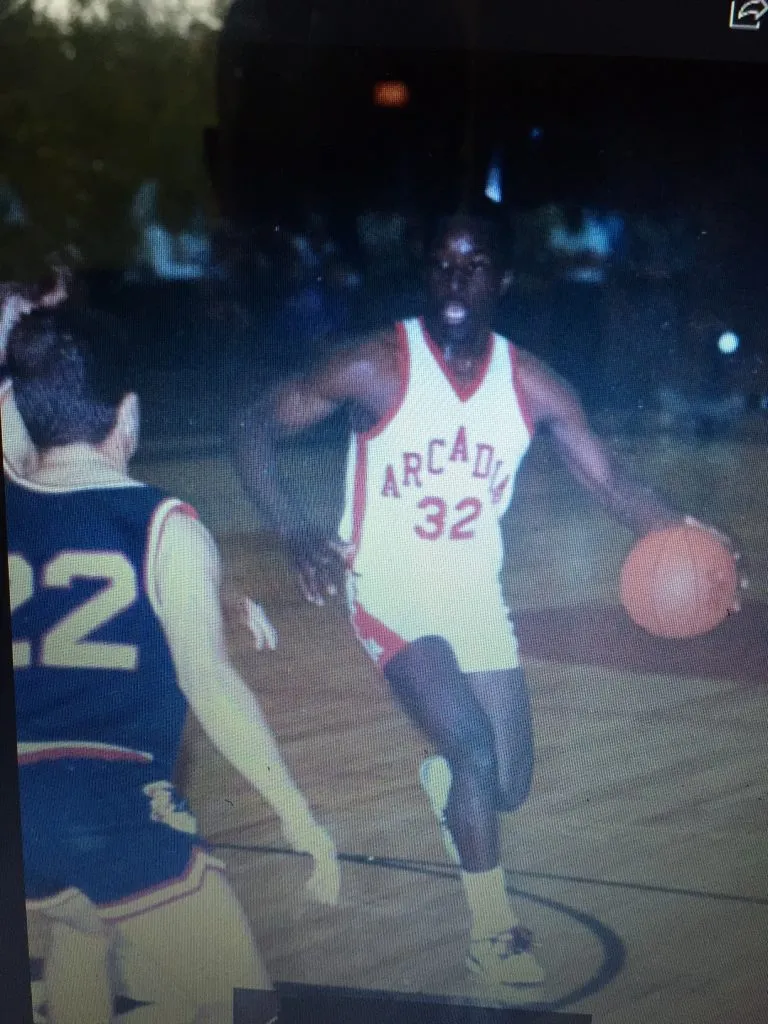
Hiawatha’s positive choices got him into college at Western Illinois University and his athletic prowess, especially as a defensive back on the football field, got him an invite to a regional NFL Scouting Combine in Chicago. But right before he was to put his talent on display, he suffered a setback.
“Two weeks before Chicago, I hurt my ankle on the basketball court,” says Hiawatha. “We were just shooting free-throws and my buddy missed a shot, so I leisurely jumped up to grab the ball and landed on my buddy’s foot and hurt my ankle. I went to the NFL Combine, and I could run, but I could not change direction, which is what you need to be able to do as a defensive back. I didn’t make the cut. Then I heard one of my coaches was touting me to another coach of an Arena Football team in St. Louis. I got invited down and competed with about 150 other guys in the workout. I made it to the final round, then I waited for the call. One week went by, then two weeks, no call. The Arena football season was starting up, but two games into the preseason I got a call from my coach who said the team wanted to take another look at me. I made the cut and signed my first pro-contract in 1996. I had a great season, went to the playoffs but my team got knocked out by this guy playing for Iowa, named Kurt Warner.”
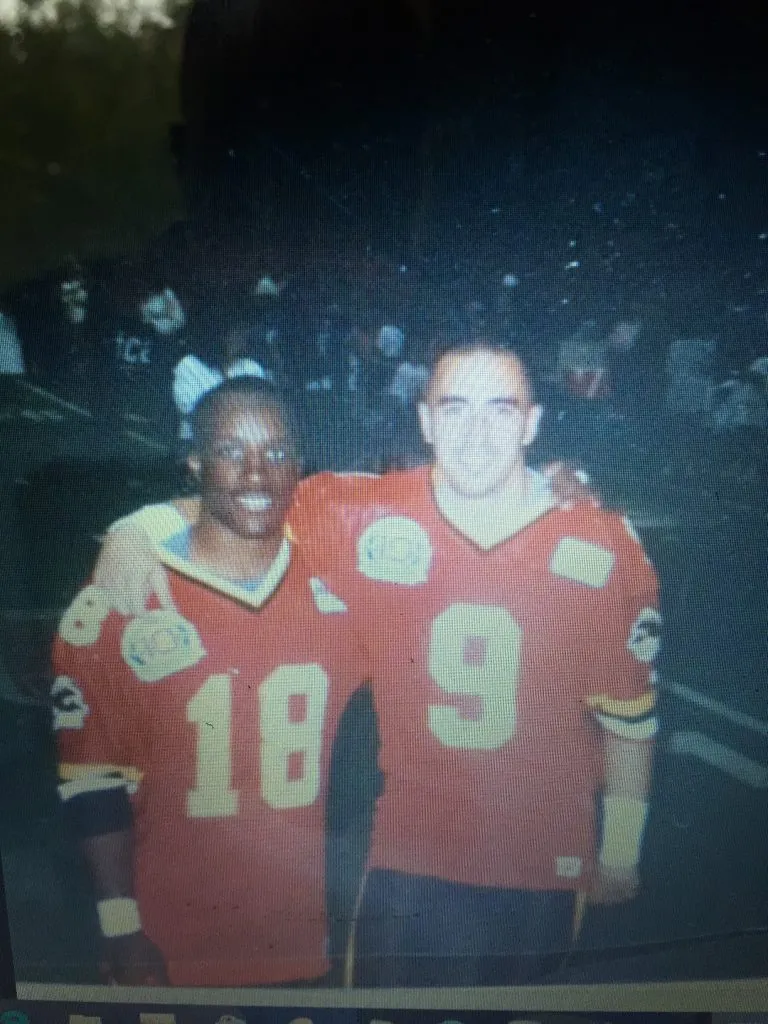
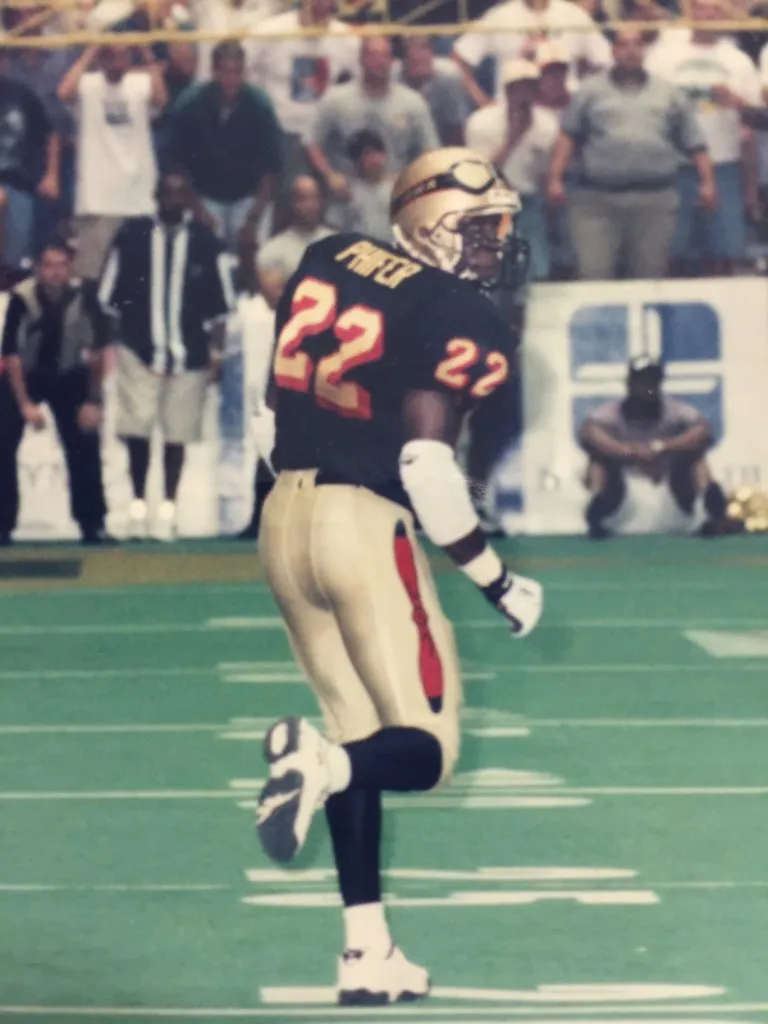
Hiawatha continued to excel in his football career, and at one point thought he might have a shot with the Saints and the 49’ers in the NFL, but the opportunity never materialized. He ended up playing seven years in the Arena Football League, even suffering a torn anterior cruciate ligament in 2001, but he staged a comeback against an injury that ends many a football player’s career, and in 2002 he was back on the field in a player-coach role with the Quad City Steamwheelers.
During this time, Hiawatha also continued his education, earning his Bachelor’s Degree in Psychology and a Master’s Degree in Sports Management. Though he served as a football coach for one year, Hiawatha said he wasn’t interested in the “coaching carousel”, meaning the instability of a college football coaching career, so he went looking for other opportunities.
He eventually worked his way up at the Enterprise Rent-A-Car company, moving to Orlando, Florida in the process. But Hiawatha says eventually the demands and long hours of the work were not conducive to being there for his family. Hiawatha had married in 2009 and with two small children in the mix by 2014, he says he needed a change, so he resigned.
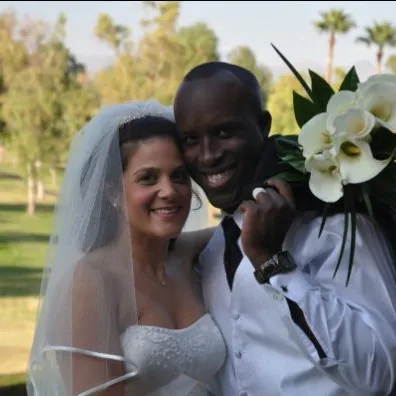

He took some time off to spend with his family and in February of 2014 Hiawatha found USHEALTH Advisors and an opportunity which fit him perfectly, because he was always making choices to get him to the top of his game.
“I made a “hit list” of all the top people to talk to, Mara Dorne, Liz Byrne, Erica Gill, Jason Greif, Marcos Figueroa, all those I wanted to learn from. I wrote my first policy on April 2nd and made $1,400 my first week in the field, off of only two policies. I said that’s pretty good, let’s see how this goes. I told Liz I want to be the ultimate student and work my butt off. Here I am, three years later, doing pretty well.”
Promoted to a Field Sales Leader, but without a big team, last year Liz asked Hiawatha what his goals were for 2016. He told her it was to have a team that produced $3 million in issued policies. “She looked at me a little strange and said, ‘you don’t have much of a team to make that happen.’ “I said, we’ll make it work. Through a lot of hard work and trial and error, we finished the year with $3.4 million in issued business. I got help from a lot of other people around the country like Rochelle Brown, David Zalka, Mike Gibson, one of the beautiful things about this company is everyone is trying to help everyone else to put their best foot forward.”
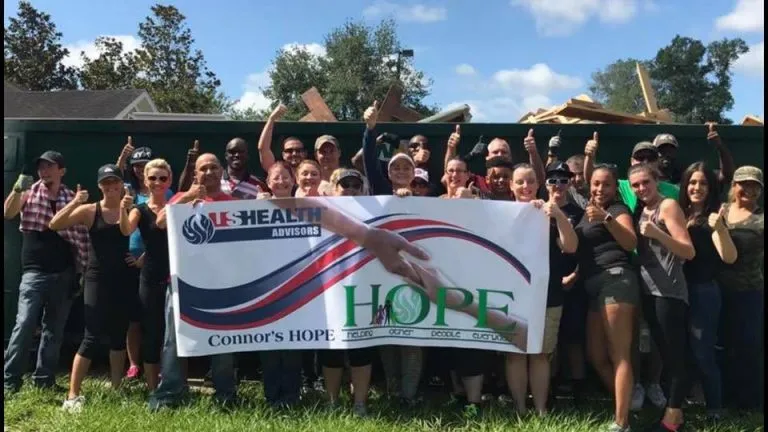
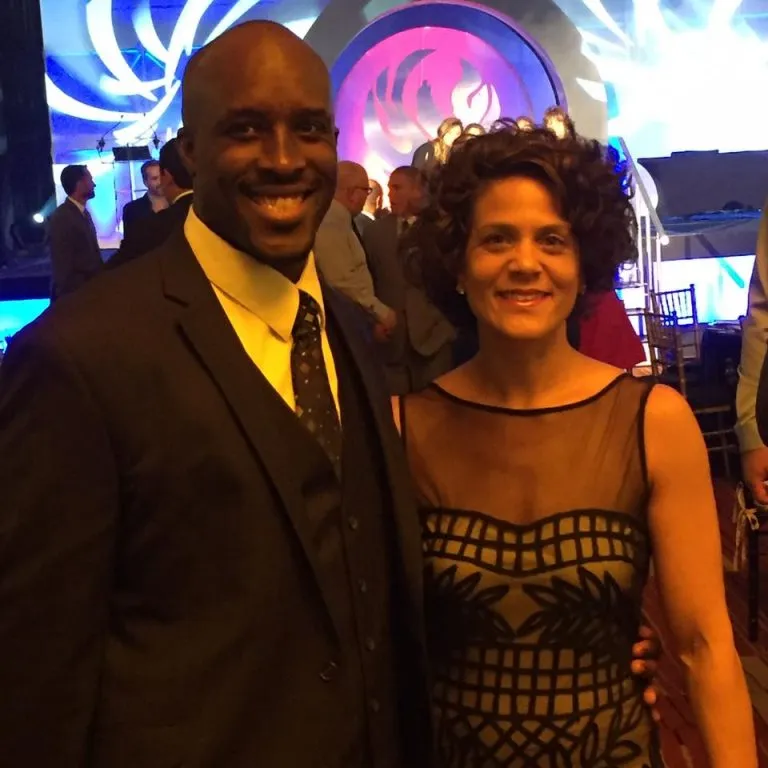
“I sit down with my agents and go over their goals. When they come back and say they can’t do it, I can pull out their goals and say, ‘hey this is what you told me you wanted.’ “You’ve got to push through, make the effort and make it happen. With the path I’ve traveled it’s very hard for people to give me their excuses. I joke with my agents I don’t care about your feelings, I don’t care about your excuses, I don’t care if you are tired, I just want to know what are you going to do to be successful. I tell them, you will, or you won’t. Now as a father as well, I can pass along these core values of discipline and hard work.” (Not only his hard work, but his work ethic, just today he coached his son’s Hot Shot basketball team to a championship victory.)

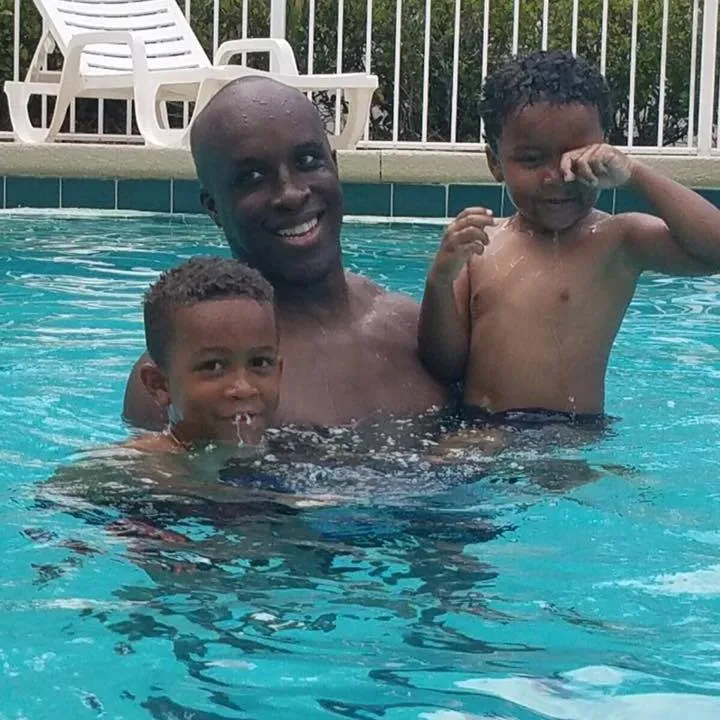
Hiawatha says he is forever introspective with his life and what he has endured and accomplished. “People are just people,” he says. “There are going to be good people and bad people, life is a long journey. It’s going to go along the way of whatever choices you make. Growing up in a tough environment, but turning to sports and the church, taught me discipline and hard work. When I would say to my dad, ‘that’s not fair,’ he would say the only thing that’s fair is what you work for and what you earn. I look at my situation on paper and I could have easily been a statistic. It doesn’t matter where you grew up, but it does matter that you make the right choices. No matter where you are in life, as long as you keep making good decisions, it’s all going to work out. It’s not a skill thing, it’s a will thing.”
No Matter What
If life’s got you backed up, find a way to move forward. As long as you’re breathing then life and some higher power is not done with you yet, which means you’ve got work to finish. You’ve got a job to do. That work is to give it all you’ve got. Everything you have and no matter what has come before, don’t look back, push forward.
Keep on living. Living is giving. For what you do for yourself you take with you when you die, but what you do for others, you leave behind.
What you leave behind becomes your story. Everyone has a story.
I am Mark Brodinsky and this is The Sunday Series.
The Sunday Series (134): No Matter What
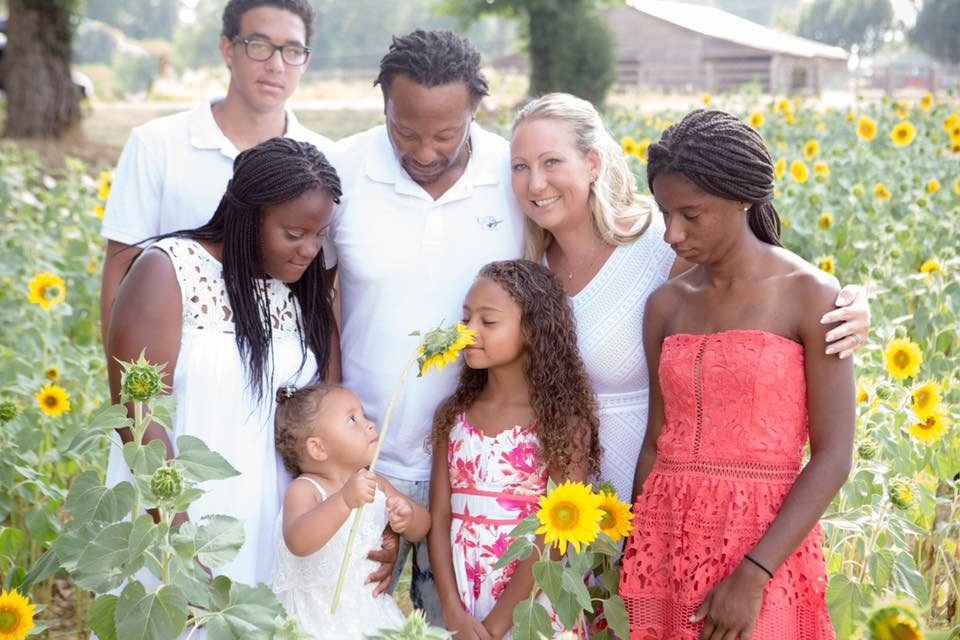
If you’re a giver, it might because you know the pain of life when things are taken away. You won’t meet more of a giving person than Taraina Mccants, for Taraina knows what it’s like to lose. Over and over again.
Taraina was only five when her dad left. A self-described “daddy’s girl”, losing the first man she ever loved was a crushing blow.
“I really, really loved him. I was so confused when he left,” says Taraina. “I actually went to visit him in Jamaica, but the trip didn’t last long.” It turns out Taraina’s dad was involved in some shady dealings, and the law was bearing down on him. An arrest warrant meant he couldn’t return to visit to see Taraina and her sister Teaira in St. Croix, (Virgin Islands), where they lived with their mom. Taraina says her mom, probably trying to protect her daughters, kept her dad at a distance, a distance so far, Taraina believed he was dead.
“I kept asking, ‘where’s dad, where’s dad’, I kept asking for him,” says Taraina. “My mom said he must have died since we haven’t heard from him. Truth is he was still writing to us, but my mom either threw away the letters, or held onto them in secret. For a long time I had no idea.”
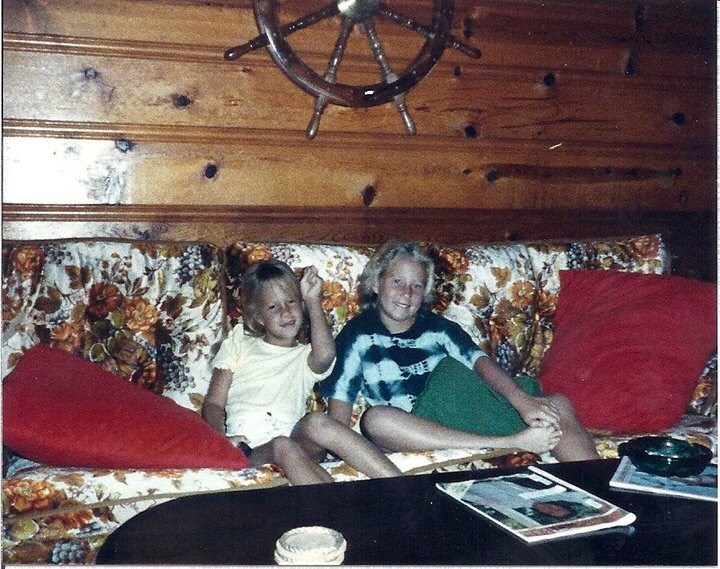
Teaira & Taraina
Life should have been beautiful, living in the paradise of the Virgin Islands. But for Taraina, still living the heartbreak of losing the man she loved, when her mom met someone else, life was anything but beautiful.
“When my dad left my mom immediately started dating my stepfather”, Taraina says. “My mom liked the new normal and the family she now had with me, my sister and my stepfather, but I wasn’t having it at all. I wouldn’t talk to him or look at him. I burned an Easter T-shirt he bought me. My mom took her anger and resentment out on me for challenging her happy family. It wasn’t a good scene.”
By the age of 12, Taraina was out. She moved to the states to live with her grandfather, until one day her dad called. He had come to the mainland as well, unable to return to Jamaica. For part of her teenage years she lived with her real father, but trouble followed.
Dropping out of school in the 9th grade, Taraina went to work for a telemarketing company that sold chimney sweeps. A chain-smoking office with ashtrays everywhere and dozens of desks backed up wall-to-wall, Taraina says she made cold-calls from pages literally torn out of the local phonebook. The company quickly got in hot water and the job didn’t last long. Because of a series of events and red-tape which made it impossible for her to return to school, Taraina instead hooked up with a man nearly twice her age. A man she says was a “con-artist” who convinced her to participate in his scheme – landing her in trouble with the law. Real trouble that eventually had her stepfather rescuing her and bringing her back to St. Croix. But the life lesson changed her.
Sometimes in the darkest of hours, a light, however dim, can be a magnet of redemption and faith. Unbeknownst to Tariana at the time, her life experience would create a path, the first steps on the road to prosperity and rebirth.
During her dark time Taraina had actually managed to earn her high-school diploma, and with that degree complete and back in the prosperous economic environment of her mom and stepfather’s home in St. Croix, Taraina was able to attend college, first in the Virgin Islands. She attended nursing school, but Taraina says the clinical part of nursing school was fine. But once she hit the practical part and realized as she says, “saliva and other bodily fluids made her nauseous”, she quickly realized a career in the medical field was not going to be her calling.
Instead Taraina headed back to the states for a time to work as an EMT and go to college to earn a degree in political science and philosophy, graduating at the top of her class. Always a fighter, a survivor and now a college-graduate, Taraina was laying the foundation to give back like never before. But first, a return to paradise.
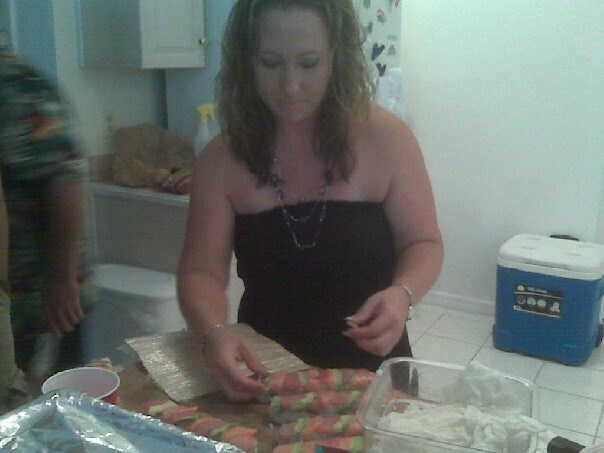
During her college years Taraina had married, (a short-lived relationship), and given birth to a son, Marcus. Taraina says her stepdad, a very successful chiropractor, adored Marcus and did what he could to keep Taraina and her son living in the islands, getting her a position managing a golf-course he owned. She worked there for a while, but soon realized she wanted more. “I told my stepfather this is great, but my dream in life is not to run a golf course”, Taraina says. “I’ve always been good at whatever I do. I’m very confident and I get along with people. But I wanted more and I wanted to move back to the states… and somewhere hot. I did my research and decided on Pompey, Florida. I wanted to be by the water and so at the height of the housing market in 2004 I made the move, then went out looking for a job and looking for a job… and looking for a job.”
One of the job interviews was for a managing position at the Crowne Plaza in Melbourne. The position would have paid her $60,000-a-year and she thought she qualified. But with no hotel management experience, she lost out on the opportunity and says in a word she was, “devastated”, yet the hotel would play a into a memorable moment in her life in the years to come.
Running out of money and patience, Taraina ended up taking a job running a 7-11, for $40,000-a-year. “I was demoralized”, she says. “People treated you like crap, like the scum-of-the-earth”. It was another life lesson Taraina took with her and wouldn’t let happen to anyone who would shortly come into her life, because don’t forget, living is giving. Learn and share.
Looking for a way out and a better life Taraina found an opportunity with United Group Agency, learning to sell health insurance. In the process she realized that if she simply helped other people everyday, she would earn a nice living. But when the company was bought out by a private-equity firm and the ownership group started down a different path, Taraina jumped ship, as did many of the leaders of that company. Taraina was ready to forge a new path and get back to the basics of helping and serving those that needed it, clients and just as importantly, the agents.
With the lessons of hardship, a world of experience in all types of jobs in the workforce and a degree in philosophy in her back pocket, Taraina convinced the ownership of the new insurance agency to give her a role as a Division leader and help build the fledgling new opportunity from the ground-up.
She also needed to make money… and quick. She convinced her sister Teaira, who also had worked at the old company, to come with her, (giving up sizeable bonuses and renewals). The two hooked up with their friend Mara Brockman and together the three women went to work, making phone calls. Taraina says in the early days the three of them would sit in her living room, which was now in her home in Orlando…and dial. None of the ladies could leave until they each set twelve appointments, (four appointments for each), then it was off to the mall – to shop. Work hard, play hard.

Doing early recruiting for the company out of an office she rented from a travel agency for $400-a-month, Taraina went about the business of building and give “second-chances” to those who needed a job and more importantly an opportunity to live their dreams, as she has done. She now works out of an executive suite in Atlanta for USHEALTH Advisors, as the most successful Regional Manager in the country.
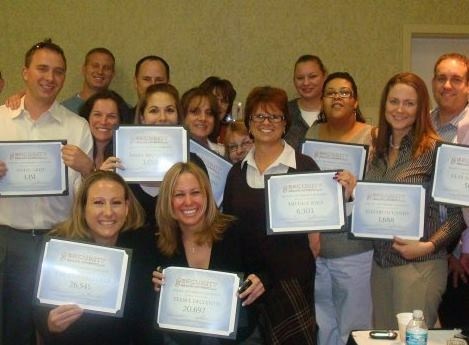
She’s even gone back to the hotel. Remember that Crowne Plaza in Melbourne?
Taraina says recently, as she sat in an ocean-front suite at this same hotel, picked out for her personally by the company’s CEO Troy McQuagge, she had a conversation with her husband Keith. Keith and Taraina married in 2012, and she says he’s the one who helped calm down her lifestyle, made her realize what’s important and to focus. As they sat and talked Taraina recounted to Keith the story of how she applied for a job at this same hotel more than a decade ago. The job she didn’t get. But Taraina now realizes that loss led to a gain, for if she had won the position she might not be where she is now, earning well beyond what the hotel would have paid her, getting to live life on her terms and sharing what she has learned.

Taraina & Keith
What she has learned, what we all should realize, is that life is tough. But with perseverance, patience and occasional penitence – after all we all make mistakes – than much is possible, sometimes anything is possible.
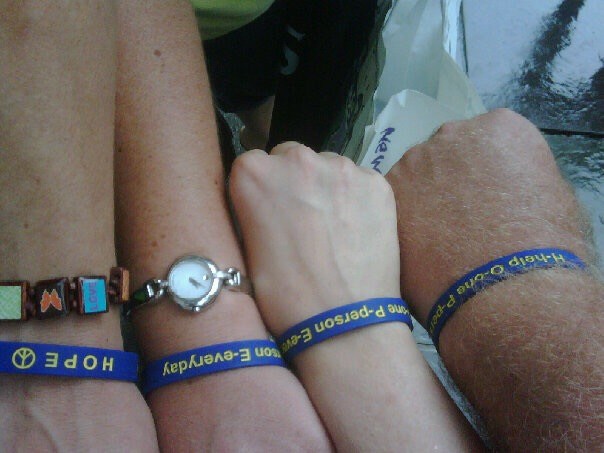
“My family life wasn’t always the greatest”, says Taraina. “And people often ask me why I don’t have many friends outside of work. I say I don’t need anything. Everything I need I get from the people who work here. I love helping and surrounding myself with other successful people who have the same mission and goals.”

Teaira & Jay, Taraina & Keith
“I’m a little cooky. I’m a strong believer in self-manifestation and I actually have sessions with my team where we read self-help books. I tell them to read a book and go out and talk to people and create effective communication, help people feel good about themselves. Good leaders want their followers to think greatly of them, but great leaders make you feel good about you. The things we think about and we surround ourselves with and we do for others is what you receive back, what make you attractive and complement your life. The better we get at being good people the better we get at being good leaders. The company helped me realize that. The company changed my life. Troy is a huge mentor in my life and how I treat people, how to lead and to care about people, which brings out the best in all of us. Be the best person you can be.”
No matter what.

Until next time thanks for taking the time.
Your Storyteller,
Mark Brodinsky
Never Lose Sight
If anyone knows where Dave Cameron is, tell him he owes Jamie Blumberg 40-bucks! But also tell him thanks for the story, because it might have just changed Jamie’s life.
At 12-years-old and growing up on Long Island, why wouldn’t you take part in a rock fight outside school? I mean what else are early teens growing up in the 70’s to do? No phones, no internet, just physical activity. But for Jamie the rock fight led to some stone-cold reality, since he was the one who took the heat when suddenly things went south. “One of my friends threw a rock through a window at the school”, says Jamie. “We all took off, but one of the neighbors recognized me. When the phone rang at home, it was my mother telling me to get in here, the principal is on the phone. I took the rap for it, and didn’t rat on the kid who did it, even though I know his name to this day.”
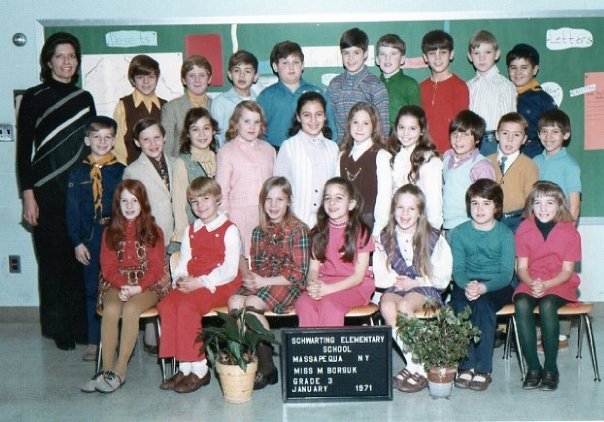
Jamie (Blue sweater vest, second row)
It was Dave, but Jamie wasn’t giving him up. Instead Jamie gave up his summer because it was the $40 the window cost that affected his season and eventually set him on the right path. “My Dad was a construction worker, and he decided it was time for met to go to work with him to pay for the window”, says Jamie. “I worked the whole summer to pay for that window. But what I got to see first-hand was that my dad was a real hard worker. I learned my work ethic from watching and working with him.”
Jamie’s dad, Marvin, worked on greenhouses, taught himself to repair them, to build them, to tear them down. Jamie describes his dad as a self-made man, having been forced to go to work at age 18, to help provide for his family. From Marvin, Jamie learned about being self-employed, and how to make a buck.
“I definitely came from a working class family” Jamie says. “My dad left the house at five in the morning, was home by 4pm and in bed by 7pm. We had great summers living on Long Island. We used to go to Jones Beach, probably about 25 minutes from the house, my friends and I used to hitch there, back then it wasn’t a bad thing”, laughs Jamie. “We’d fill up coolers with soda, ice and other stuff and walk along the beach and sell it, we were always entrepreneurial. One summer we bought a clamming boat, caught clams and sold the clams to some of the restaurants. It was a ton of fun and I made life-long friends.”
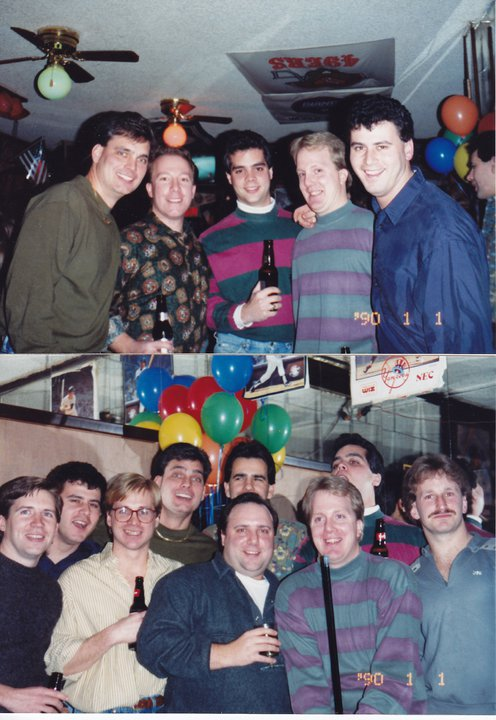
Jamie and long-time buds
At least most of it was fun. As life tends to do to you, it’s not always a joy ride. In his mid-teens the joy for Jamie and his family nearly came to an end. “At age 16, I almost died”, says Jamie. “I got mono, hepatitis, encephalitis and rye’s syndrome. The docs didn’t know how I got it. I spent two months, basically my whole summer, in the hospital. I threw up for 39 days straight. I lost 50 pounds. The day before they were going to fly in a liver specialist for liver and bone scans was the first day I didn’t get sick, and then as fast as I got sick, I got better. To this day no one understands how it all happened.”
While health presented a challenge in life, so did gaining an education. Although he watched his dad work hard and worked hard himself helping him out, Jamie says school was more play than work: “School was a challenge, I was bored in school. I was a goof ball, I graduated but I was not a good student, it was more about having fun and having a good time. After high school I just wanted to go to work and get into construction, but my parents pushed me to go to college. I’m thankful my parents did what they did for me. I’m grateful they pushed me in that direction.”
College got Jamie into the field of communications and once he got out, it was all about communicating on the streets, in offices – and enjoying the wonder of cold-calling – since he went right into sales. And as Jamie had learned from his dad, it was all about hard work and dedication. “I went into Manhattan selling copiers and then fax machines”, says Jamie. “I made the phone calls and I did the cold-calls. I started on the top floor of a high-rise office building and worked my way down, floor-by-floor, knocking on doors, until I got a sale.”
Success fuels more success and by the late 90’s Jamie was making a nice living in the telecom world, until that world suddenly collapsed. From flying high to as Jamie describes it, “the crash and burn”. “We lost everything”, he says. “When the industry imploded no one was hiring anybody making the kind of money I had been making. I picked up a consulting job, but the money ran out. We had just moved into our dream home two months before the crash. My marriage took a turn. My wife and I ended up getting divorced. I had to walk away from my dream home and my dream life. I had three young boys. I had to find another way.”
One good thing about his youth was Jamie maintained several close friendships from as far back as elementary school. His buddy Carl had found an opportunity he thought Jamie should investigate. “I knew Carl since I was 7-years-old”, says Jamie. “Carl had started with this company called UGA, and told me I gotta check this out. I told him the last thing I wanted to do with my life was sell health insurance. I did my due diligence, and met with Steve Koncurat in 2001. He offered me an opportunity. I told him, ‘you don’t know me yet, but I guarantee you I will raise the bar.’”
“I was going through my dark time. We lost everything, the house, filed bankruptcy, got divorced. The business was my savior. I put blinders on to everything going on in the outside world, then steamrolled through it.”
But even doing well and on the comeback trail, life has a way of keeping you in check. The man who got Jamie into the business, his life-long friend Carl, got sick. Carl was diagnosed with Non-Hodgkin’s Lymphoma and given only six-months to live. “I remember Carl met with the doctors”, says Jamie. “They told him OK, you’ve got six-months. Carl said no way, my daughter Jennifer is graduating next year from high school and I need to see it. He did. Carl lived for another year.”
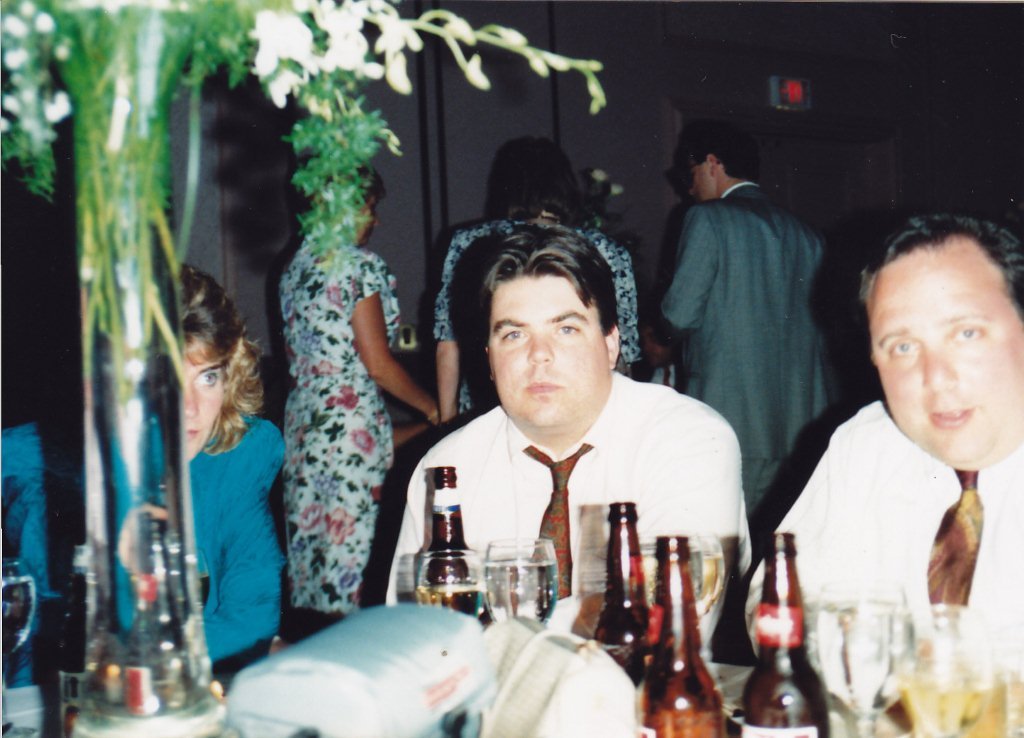
Carl and Jamie
Through it all – his hard work as a teen, a near-death experience and coming back from the bottom in business and financial hardship, it’s all about tackling what obstacles life lays at your feet. Jamie has learned plenty about comebacks. Now a successful Division Manager with USHEALTH Advisors he wants to share his story and his passion.
“I still remember seeing Troy McQuagge, (current President and CEO for USHEALTH,) speak for the first time in 2001. When I first heard Troy talk about HOPE it sounded strange. Most times in corporate America it’s all about the profits, not the people. But once I grasped the philosophy it made me better in my career and as a person. My whole philosophy – is how do we put people, our clients and our agents, in a better position than yesterday? How do we give them hope?”
But hope can only go so far, it’s also about recognizing what’s inside you, what you’ve got to give, where you’ve been, then reflecting and remembering to use all these parts to drive you forward.
“I think there are definitely highs and lows throughout life”, says Jamie. “The most important things is not to lose sight of where you come from. I’ve had the highs and lows and ups and downs and I don’t forget what I went through with bankruptcy, or divorce or tough times. I keep them in the back of my mind to inspire me, I don’t ever want to go back there. Family is the most important thing. My kids are the world. They mean more to me than anything else out there and I want them to have a relationship with me, to look at me and be proud, to want to hang out with their dad and to instill work ethics in them and have them strive to be all they can be. Not losing sight of where you came from is so, so important. Friends come and go, but family is forever. Got to take care of your family.”
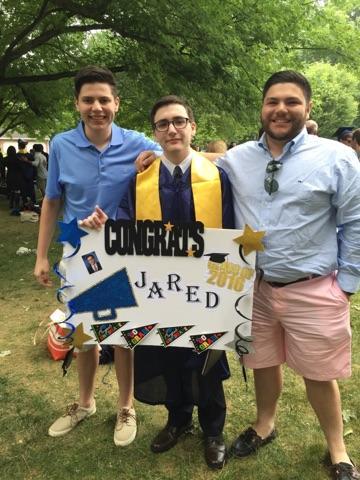
The Boys
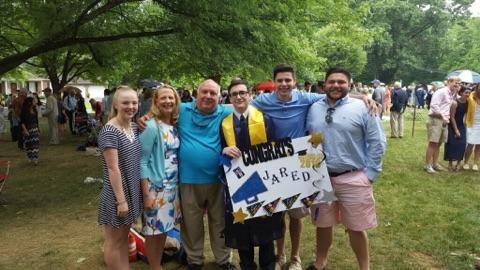
And Jamie’s family has now expanded to included Dana, his wife of 7-years and her three children as well. “The kids are all close in age”, says Jamie. “Five boys and one girl, they all hit it off right away and everyone gets along really, really well. I’m grateful and thankful to have them all in my life.”

Until next time thanks for taking the time.
Your Storyteller,
Mark Brodinsky
Healing Hearts
It’s not always easy when the challenges are weighing you down, but in this life we are all bigger than the problems we face. You must believe that and never, ever forget it. Life doesn’t happen to you, it happens for you.
To rise above whatever circumstance is in front of you takes only one step into the arena many fear to tread, that of courage. Get knocked down so you can learn to get back up and hold your position.
Then go on and share your story so others can be inspired.
After all, everyone has a story.
I’m Mark Brodinsky and this is The Sunday Series.
The Sunday Series (132): Healing Hearts
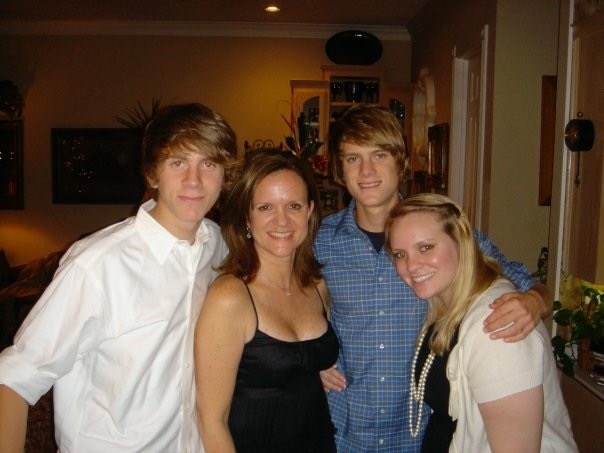
“One thing we know about life, is that it is always changing, sometimes you’re up, sometimes you’re down, sometimes you’re happy and sometimes your sad, that’s that thing called life.” – Les Brown
The holiday season is a time of joy and fellowship, family and friends, love and enriched spirit. The season speaks to us as a way to rekindle the romance of life and a reminder of that time of inward innocence from our youth, before life creeps in and tries to draw our attention outward. For Molly Garrison and her children the season will always carry mixed emotions.
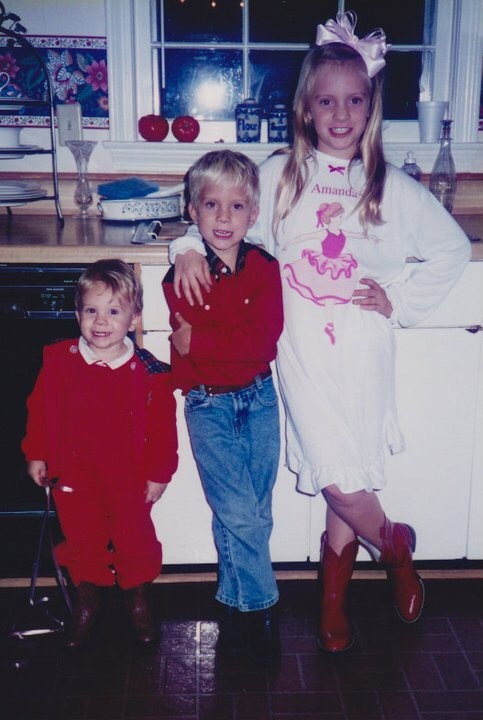
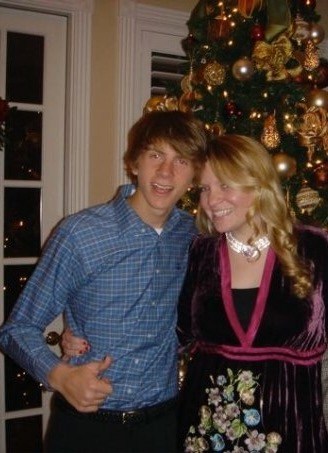
The day after Christmas, December 2010 was going to be like any other day during the holiday season. Molly’s children, Amanda, Trey and Michael, despite being teenagers, or on the threshold of young adulthood still enjoyed climbing into bed with their mom to plan their day, banana pancakes for breakfast and a full day of holiday togetherness on the horizon.
That is until Molly opened the closet. Her suitcase, which had still been packed after a two-week trip out west for skiing with the family, was missing. Molly’s clothes were dumped on the floor and her husband’s wedding band was on the dresser.
Gone.
The man who trained for years to become a cardiothoracic surgeon, helping to save hearts, in the blink of an eye left four broken ones in his wake. Deciding he no longer wanted the responsibilities of fatherhood and family, he left.
The reasons why are close and personal to the Garrison family, and truly not as important as the stark reality which now stared Molly in the face. At age 51, she was left to pick up the pieces. Halfway through life, she was starting over and would need to be born again.

You’re going to have some ups and you’re going to have some downs, but during those down moments, that’s where the growth takes place, that’s where the work is.
Molly, who hadn’t really worked outside the home in 15 years as she raised her family and helped her husband to build his medical practice, thought she had the benefit of a double masters in early childhood and psychology. Inspired by her own sister who was mentally disabled, Molly had always enjoyed helping those with special needs and for years had worked in the education field.
But now work was going to be hard to find… a decade-and-a-half removed from her last position, teaching jobs were few and far between. “Interestingly the only job I could get was as an assistant to a first year teacher”, says Molly. “She had a bachelor’s degree, I have a double masters, it was very humbling. There were quite a few humbling years. I worked for a friend of mine who owned a boutique and designed wedding invitations and portfolios. I did the design work based on what my mom taught me, but it was tough to support myself and my family.”
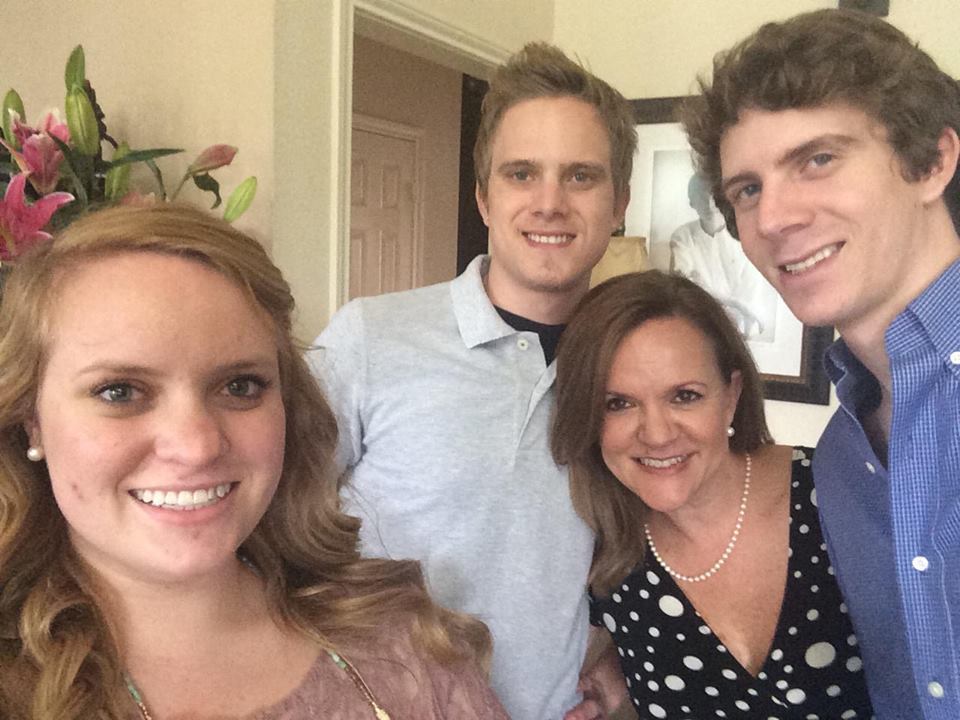
The real challenge, the real challenge of growth, mentally, emotionally and spiritually comes when you get knocked down. How you handle it. Are you going through it or are you growing through it? Are you bigger and better because of it?
Support was tough to come by, Molly’s husband left the family on the heels of both her parents passing away within eight months of each other. But organization and resourcefulness are two of Molly’s greatest strengths. During the difficult years of a one-income family while her husband attended medical school, Molly did the impossible. “I love telling the story that while we were living in Monterey, Mexico for four years we lived on $100-a-month for groceries. If you know me, you know I’m a little organized and I accounted for a one-month menu and accounted for every ingredient on the menu. For example the schedule called for spaghetti twice for dinner, once for lunch and then freeze it to have leftovers and make sure we could make ends meet. I’m very sequential. My mom, who was a nurse, but also a decorator, taught me things were done in odd numbers. Do it right the first time and you don’t have to look back.”
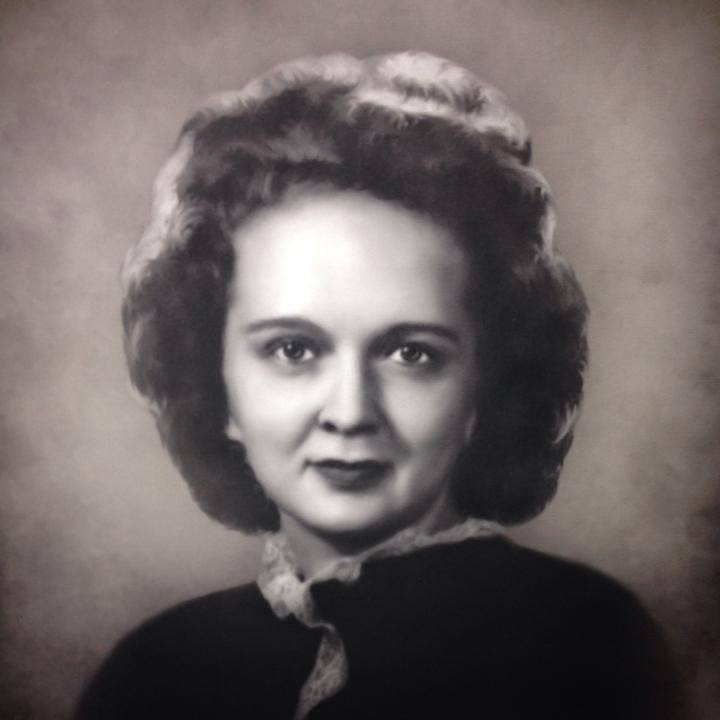
Molly continues: “I probably made a mistake but my attitude was that my marriage or my divorce was not going to be about money. I didn’t want my kids to think that’s what it was about. I wasn’t aggressive, didn’t hire an aggressive attorney and instead made it my responsibility to pick up the pieces. I knew there was a path, but I didn’t know what it would be. I had very little confidence in myself, but lots of faith. I went through divorce class at church and knew God had a plan and if I keep working and if I keep pushing and show this (resolve) to my children it would be OK.”
Things are going to happen to you and the most important thing you can do is to harness your will… and let it go.
In the meantime, there were attempts at reconciliation between the children and their father, but much of it especially early on, was difficult and hurtful. They didn’t see their dad until a year-and-a-half after he left and Michael graduated from high school. Through the strained relationships, it’s been Molly who has championed the cause of her kids spending time with their dad. “I encourage them to have a relationship with their father because I cannot be a father to them. A mother loves unconditionally. A father supplies the “attaboys”. When a father tells his son how proud he is of him he gives his son value and I can’t do that. They know I’m always going to support them and tell them how amazing they are. I encourage them to see their dad at Christmas, Easter, Thanksgiving and at least once during the summer.”
I’m in control here. I’m not going to let this get me down. I’m not going to let this destroy me. I’m coming back and I’ll be better and stronger because of it.
Strength has always been at the core of Molly’s life, spiritual, family and hard work taught to her by her own father and mother. “I still remember my father worked at the Sun oil company (Sunoco)”, says Molly “and he worked up to being vice-president of administrative services. When he was finished at the office he would come home, eat dinner and then go into his home office and work until the wee hours of the morning. He always said because he didn’t have a college education he had to work longer to get it right, but he always worked until he got it done.”
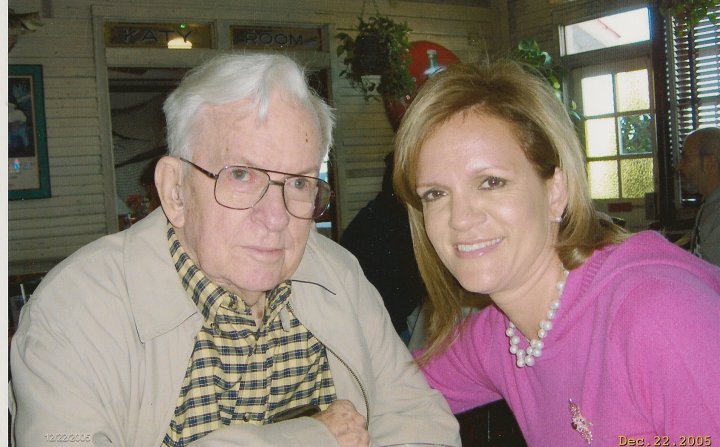
Develop the necessary habit of working harder than what you are paid for.
Though good-paying work was hard to come by for Molly, early in 2014 she found a webinar hosted by a man named Kevin Ferrell. She immediately called the office in Texas and set an appointment to meet with Kelly Morgan. Molly says Kelly talked a lot about HOPE, Helping Other People Everyday. “I thought I can do this I love helping people”, says Molly. “I had no idea what I was doing but I listened to Kelly and I took notes of every manager. I worked out of the storage closet and anytime any agent came in the office to ask a question I would jump up to listen to hear what they were dealing with. I would listen and take notes and learn as much as I could. I was committed from the get-go. I called leads that were 2 and 3 years old, loved hearing people’s stories and helping them. I hit my early milestones quickly and after only a few months got invited to Cabo San Lucas on a company trip and that was life-changing.
“Don’t know how I got there except the power of prayer. I watched a panel of men up on the stage actually crying about the impact this company has had on their lives. How it took them from their dark days to where they are now. I started bawling and Troy McQuagge, our President and CEO was sitting at the table behind me, probably wondering why I was crying too. But in those moments I finally understood and felt hope. I can give my kids hope now and in the future. I did not do a good job when their dad left. Hope was there but I could not find it. But it is about what you do for others. Hope anchors the soul and definitely anchors my soul.”
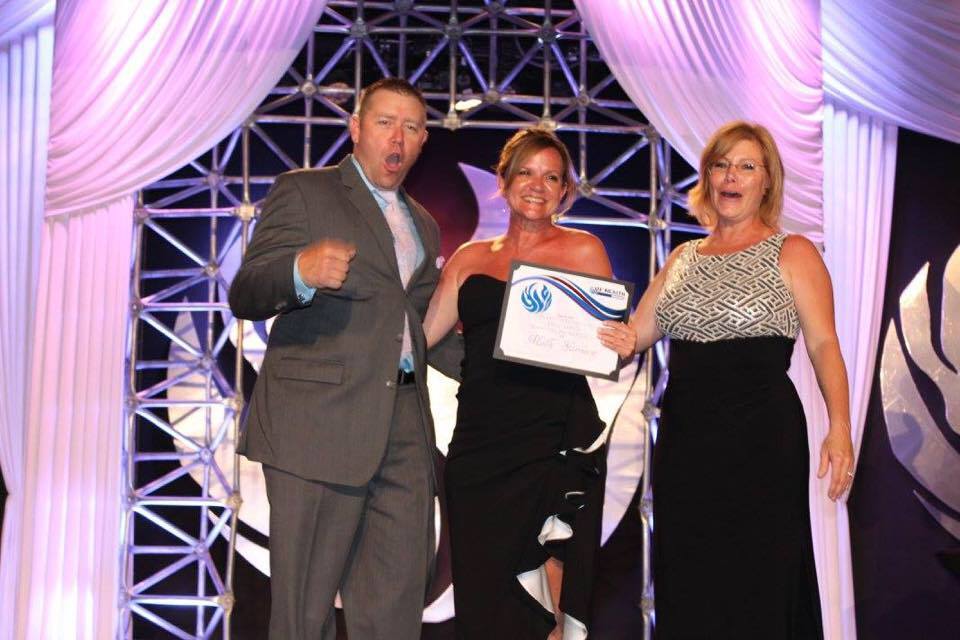
I’m going to turn this situation around. I’m not going to sit back and moan and cry over what happened and what went wrong and who did what. I’m going to do something about this situation. Expect things to get better for you because they are!
Until next time, thanks for taking the time.
Your Storyteller,
Mark Brodinsky
Acceptance
Sherene Smith learned the one word which turned her life around and will inspire yours, Acceptance:
You can’t go back and change the past, so why even try. But you can come full circle. You can allow the realization of what you have learned to create such meaning, significance and power in your life that somehow you know it’s all been worthwhile.
For Sherene Smith, this moment arrived when she met Ron, the man who would become her husband.
He asked her one simple question…why?
With tears flowing, Sherene remembers: “Ron saw something in me, saw all this garbage I was carrying around in my head – this story I was chasing. I was thinking I’ve got to do this for my family and for my sister because it’s expected of me. I have to always show up and be the brightest star and do all of these things at the highest level – Ron was the first person in my life who asked me why. Why are you doing all of this? No one asked me that until he did.”
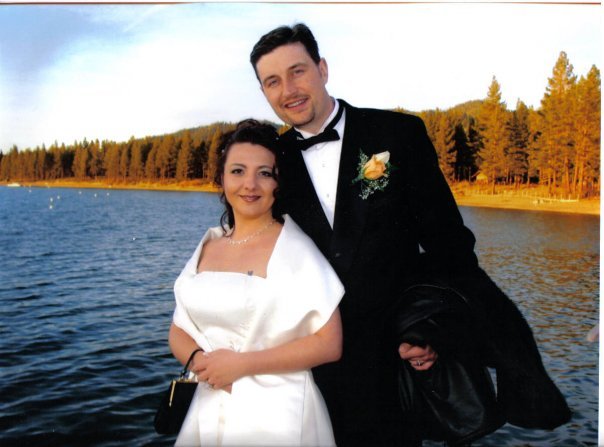
What Sherene was doing was trying to over-achieve to make up for what she thought was lacking in her family life – the thing which she saw as unusual, the thing that made her feel uncomfortable – not in a cruel way – it was never about a lack of love or caring, just not understanding. Sherene thought if the outside world knew the real situation – they would view her differently.
The situation was Shanna.
“I was six-years-old when my dad sat me down and told me,” says Sherene. “He told me my sister Shanna, who at the time was only 1-1/2 years old, would never be like me, she would not play like me, she would not have friends like me, or go to school like me. It was an incredible realization that she would not be the sister I thought she might be.”
Shanna is autistic. Sherene says, “when I was younger it all seemed so natural in our house, the fact that Shanna didn’t talk the same, went to a different school, rode a different kind of bus, it was all my new normal. But then I got out into the world, junior high school and high school and I really saw that Shanna was totally different. It became hard for me in those transitional years of education, being different is not what you want in your life.”
There was a lot of pressure for me to be the best – my parents said you are the only one who we can count on to get straight A’s, go to college, get married, the only one who will ever have kids, the only one who would accomplish anything. It made me push harder and work harder for myself and Shanna – it was like I was carrying life for the both of us.”
But there was also the work of keeping it from the outside world. From the 6th grade slumber party where Sherene says she was “freaked out” about her “mob of friends” coming over her home – knowing Shanna would be there, to the times when she encouraged her friends to walk a different way home from school, so as not to show up at her house when Shanna’s special bus might have been there in front, dropping her off.
It wasn’t that Sherene didn’t love her baby sister, she just didn’t know how the outside world could accept her too.
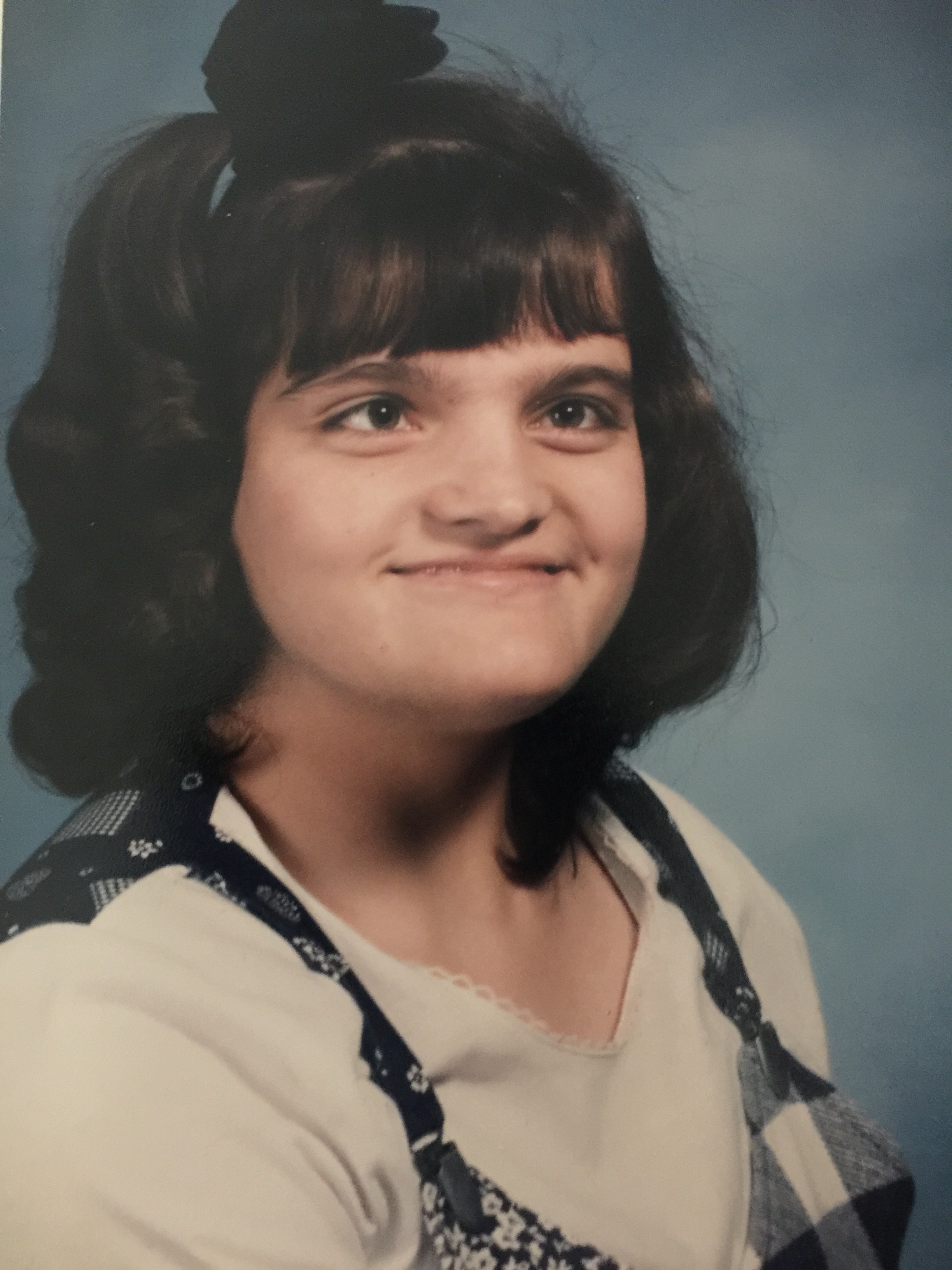
But what so many of us come to realize is that the rest of the world doesn’t care – not everyone is focused on you. The story you are telling yourself is not always the one the world perceives about you, others just might embrace the real story, actually accept it and give you the comfort of knowing you are not alone. That moment was coming…just not yet.
For too long Sherene says she went at it all alone. “I think in the earlier years of my adulthood it was go, go, go – do everything!! I went to UCLA, graduated in Advertising and was the best at what I did. I told myself this is what I’ve got to do, I’ve got to do this – but I don’t know if I ever did it for me. I jumped on the rat wheel of what society expects a 20-year-old to do: get a great job, find a great place to live, drive a great car, get engaged. I was at the top of my class, the top of my company and I did it all at 100% cause that’s the way it had to be. I don’t know if I did it for me.”
Pretty soon it didn’t matter. 9/11 happened and Sherene’s advertising business, mostly focused on travel and the automotive industry, went bust. “You hit a wall and you can’t change,” says Sherene. “That was so strange for me, I’ve always been in control of handling things. I architected my life – by 20, by 25, by 30 I’m going to do “X”. And then it was just BAM, that plan just fell in the toilet and I thought what am I going to do now?”
She continues, “I interviewed for the position of office manager at this insurance company, one for which I was overly qualified, but I really liked it and that’s also where I met Ron. And he asked me the questions that changed my life. Why?
I stepped back and took a breath – what do I want to do, what is it that makes me happy? Ron peeled back the layers of my onion and found somebody that needed a purpose.”
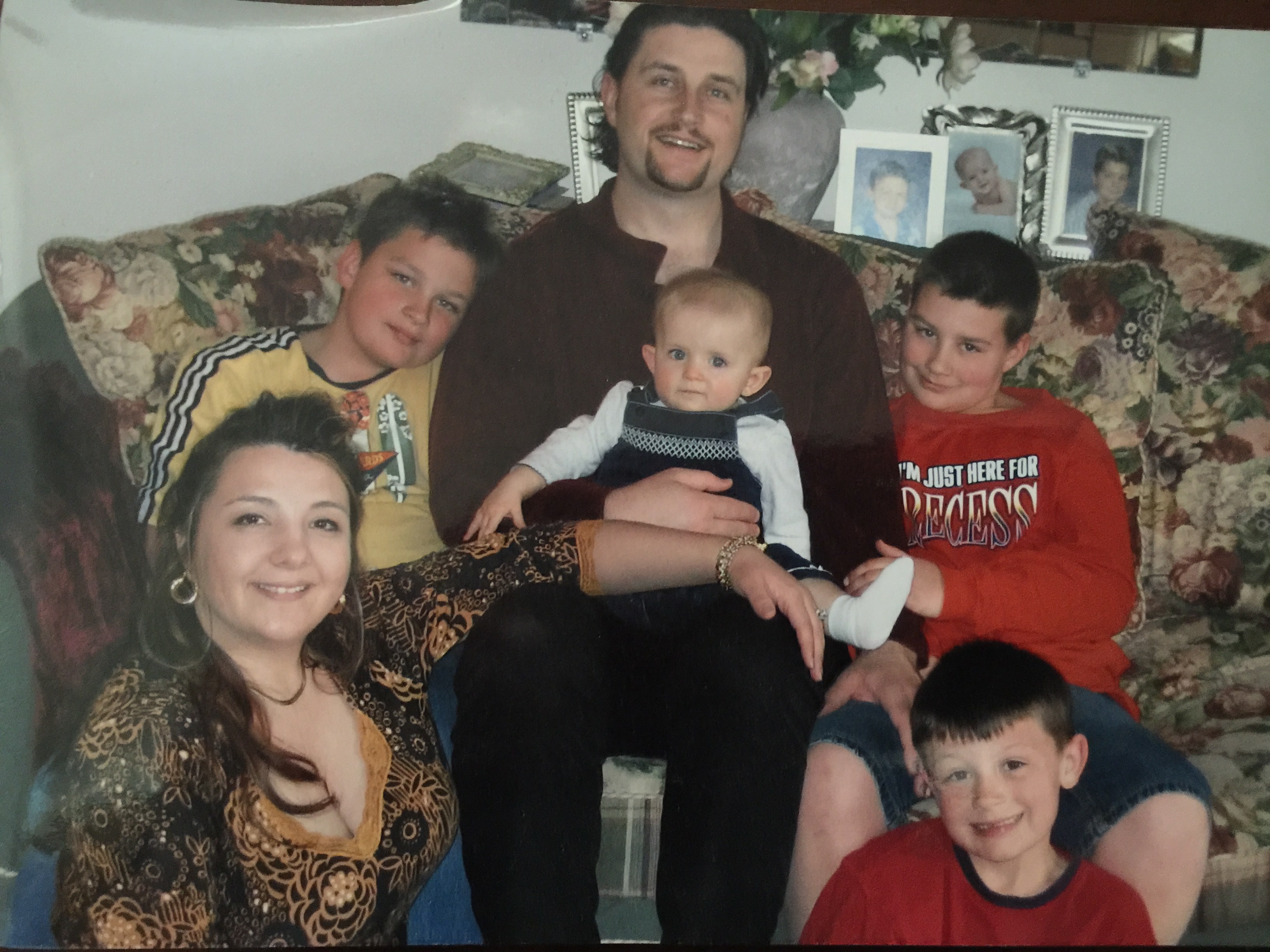
Not only needed a purpose, but needed to embrace acceptance, especially that which for so long was wrapped up in the story of what made her family different. In a word, Shanna.
“I think that really this is the biggest deal, (over the past 15 years since Sherene met Ron), an overall acceptance of everything. To turn and look at the person I’ve grown into today and look back at that scared and nervous teenager, I wish I could go back and let her (me) know it is going to be OK. Now I see the positive impact Shanna had on me that I didn’t see at the time. It’s appreciation of the simple things in life, Shanna appreciates them. I don’t like to be judgmental because I was there – a self-imposed state – I don’t like to judge people or situations.”
“Shanna has helped me to realize there’s more to life than just the rat race. It’s OK to be different, and believe it or not the whole world is not focused on you. Though you may be carrying stuff between your ears, the rest of the world is not judging you, or creating your story for you. You get to be just who you want to be.”
Sherene always wants to get better, as a person. Become a better version of you and people will beat a path to your door. Success attracts success.
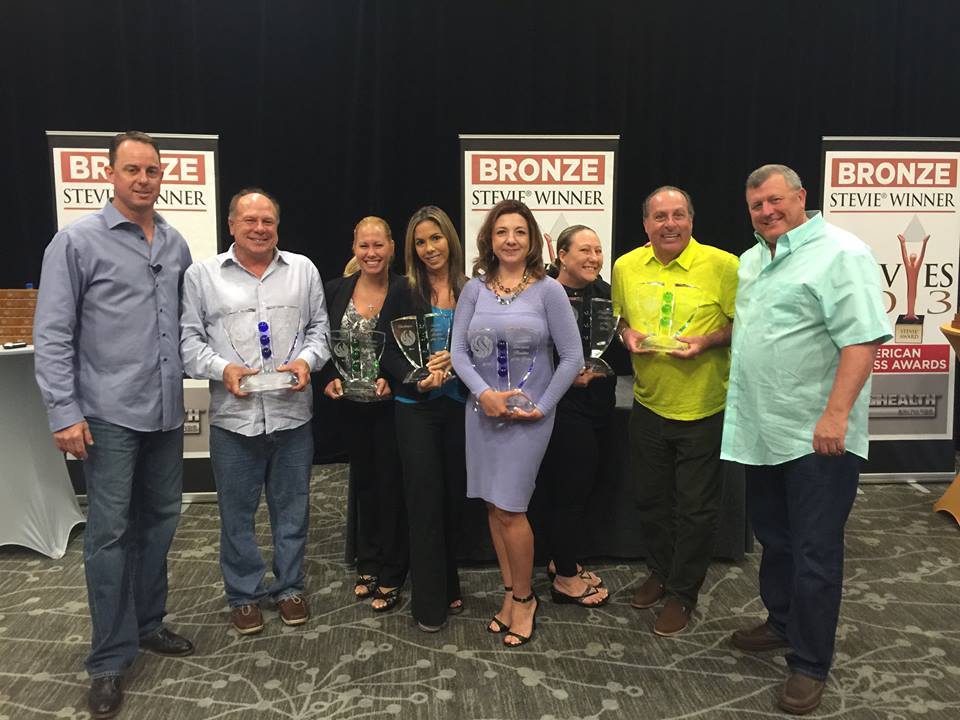
Along with her husband Ron, Sherene is a true leader of one of the most successful sales teams in the country at USHEALTH Advisors. And she says so much of the success is tied to acceptance: “When people come to this career opportunity, nearly everybody has their situation behind closed doors and we don’t know it, so I just take them for who they are, open my arms and hopefully bring them into a different life. Because maybe I will be that person for them like Ron was for me.
“They are going to find their why here, change lives, be successful, be a part of something, maybe for the first time. It feels good. I’m telling you when people ask me what I do and why I do it – I tell them I don’t feel like my job is work. And for every single day for the rest of my life I get to do something I’m super passionate about, not everyone gets that.”
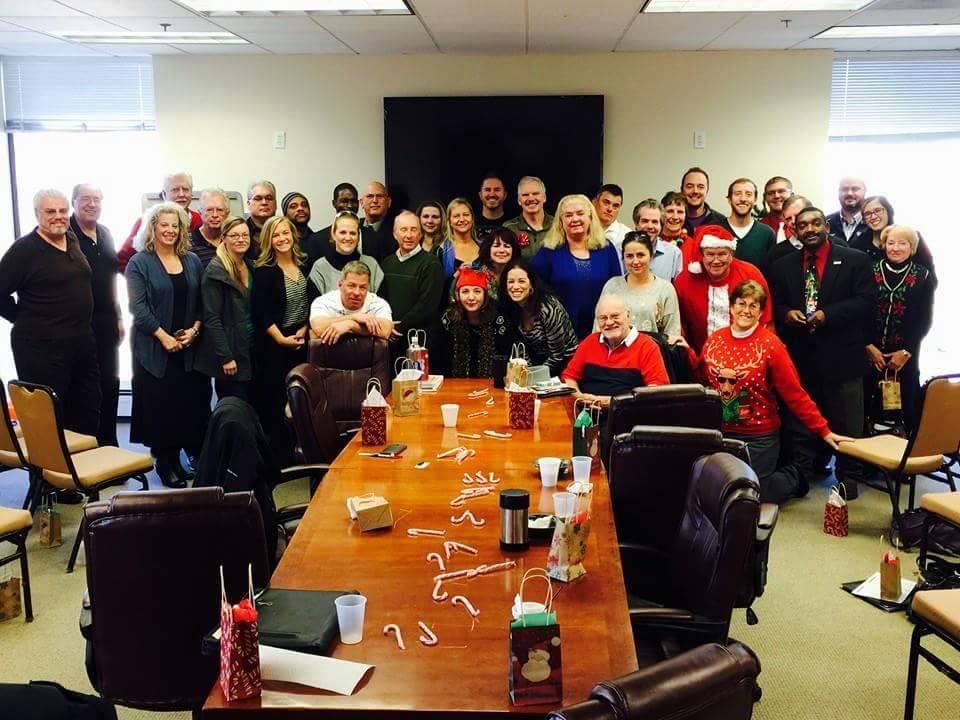
Sherene continues, “I try to do this for my kids as well. My daughter is 10 and has volunteered at a special needs school since she was only four. My boys are not the teasing, joking, bad boys – they’re all super-loving and super-open to differences and being understanding when it comes to people, not being bullies or teasers. Anyone can be a jock, or popular, without making anyone else feel bad.”
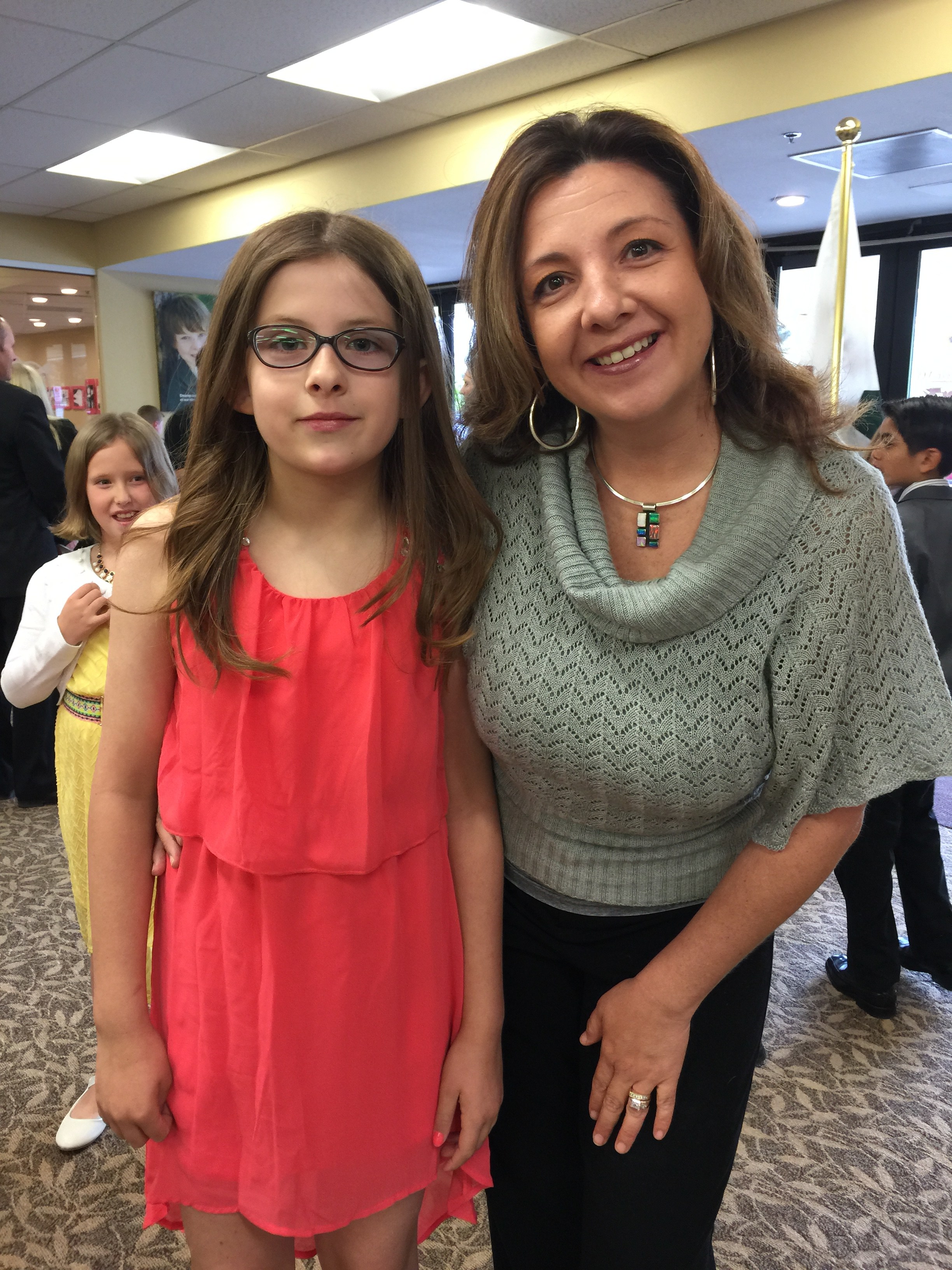

A part of her philosophy is because of the impact Sherene realizes Shanna has made on her life as well, why she does what she does and how she lives it. “So much about Shanna is about laughter and innocence and I didn’t embrace that stuff early enough”, says Sherene. Now I see it and I love it. She keeps me grounded. She reminds me to be accepting and to be grateful.”
Gratitude is the attitude that changes everything, so is the ability to find your purpose, many times through the inspiration of others. It all comes back to that question…why?
“You gotta find your why,” says Sherene. “And then you gotta go with it and jump in with both feet and be passionate and love and live and be happy. When I finally figured it out my why was a big deal for me – I’m such a happier person because of it.”

Until next time, thanks for taking the time.
Your Storyteller,
Mark Brodinsky