
Hungry - Bailey Broyles’
Hungry
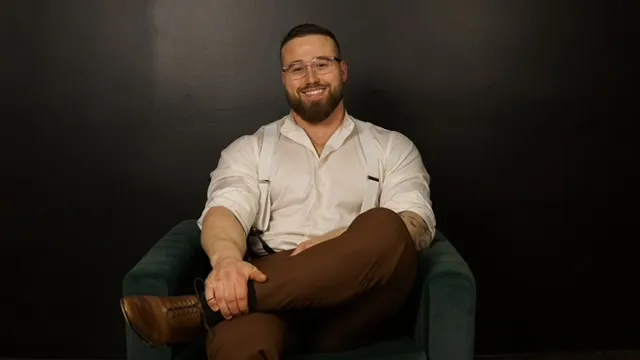
Everyone you will ever meet is going through something… that’s why they call it life. Life is a beautiful challenge, but if you’re willing to share your story then your struggles are gifts the world will fall in love with. Your scars teach us lessons we can use to navigate our own lives.
Bailey Broyles’ wounds occurred early in his life, but now they’re guideposts that have shaped the man he is – and the impact he is making at USHEALTH Advisors. Since March of 2023 Bailey has issued more than $2 million in individual insurance policies. As of the writing of this story, that’s only 15 months time! Bailey comes to USHA as most do, without any prior insurance experience, but it’s the road he’s traveled that makes him resilient in whatever he decides to chase.
“I was raised by my grandparents because at a young age my dad died,” says Bailey. “He was in a motorcycle accident. I lost him when I was only a year old and then I was raised by my mom for a little bit, but she got caught up in drugs and was sent away. I can’t remember exactly how old I was when that happened. I think it was right before grade school, so I was still pretty young. But my grandparents took me in and they pretty much raised me my whole life. So I mean, I guess that’s kind of affected me. I don’t really like to say it does… but it does.”

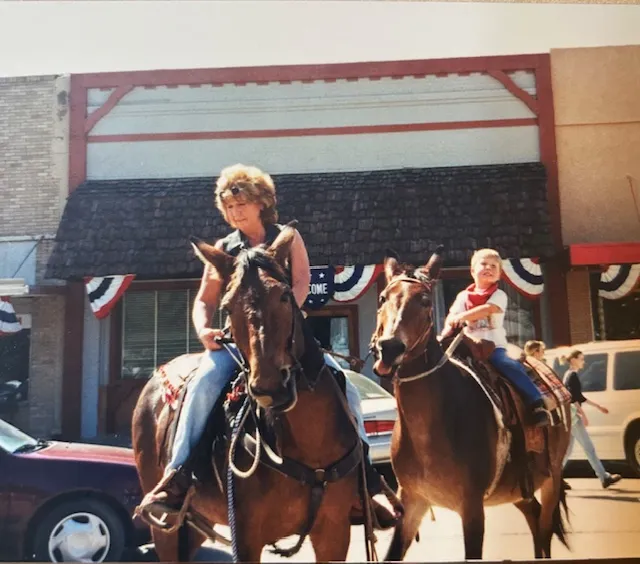
Of course it does. That’s life. We are all shaped by our experiences. We can’t escape our past, but if we embrace it as something that happened for us and not to us, we can move forward with an abundance of faith, fortitude, and an intrinsic fire for life. Bailey’s upbringing, having his grandparents suddenly become his parents, has been a catalyst for his strong will and determination.
“So the more I think about it, that’s really a big one,” admits Bailey. “As far as growing up with them, it’s a huge difference than a lot of the parents that my friends had because we didn’t really do any of the cool stuff. But there was always good support from my grandparents, because I still played sports and did those kinds of things, especially baseball. I couldn’t really practice with my grandpa. But he still went and watched and supported me. So did my grandma.”


“My grandpa is also a really successful businessman. He builds houses, he does real estate and he develops land. He was a firefighter for most of my childhood. Then he decided he could make more money if he built houses. So he started doing that as his career.”
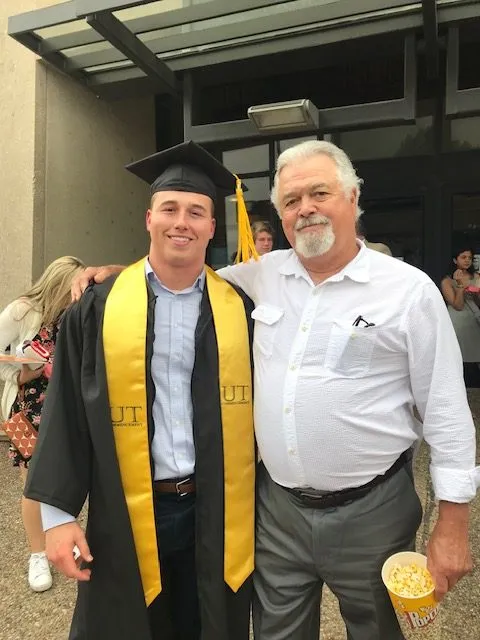
“My grandpa is super, super work oriented for sure. I guess that’s how I am now. I didn’t have a lot of time with my grandpa outside of work. But I worked for him when I was in high school and before I got into college. And he is work, work, work. He’s stern and can be a stubborn man. But it’s a good thing when it comes to business because people respect him. And I feel like I’ve taken after him in a lot of ways and that’s helped me do a lot of good things here at USHA, especially conducting myself as a business person. When I talk to people, they respect me when I speak. So that’s been good for sure. And my grandma, she stayed at home a lot, so I got a lot of one-on-one time with her. She may be a little bit older, but she acts like she’s 30 for sure. So that has made the age gap feel a bit a little smaller. My grandma is all over Facebook. I mean, she’s 76, but she’s on it more than I am. She knows how to work that stuff better than anyone I know. It’s pretty impressive,” laughs Bailey.

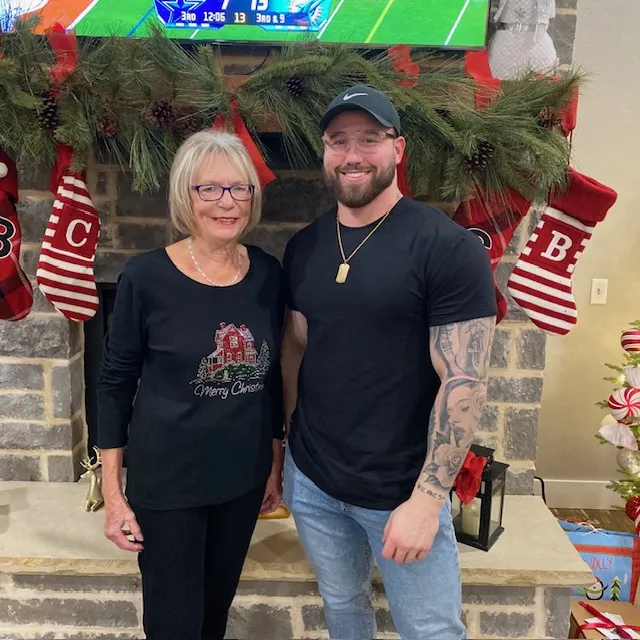
Bailey’s experience of being guided by his elders has also led him to another “trick of the trade” – showing respect for and being respected by those twice his age. Bailey is only 27.
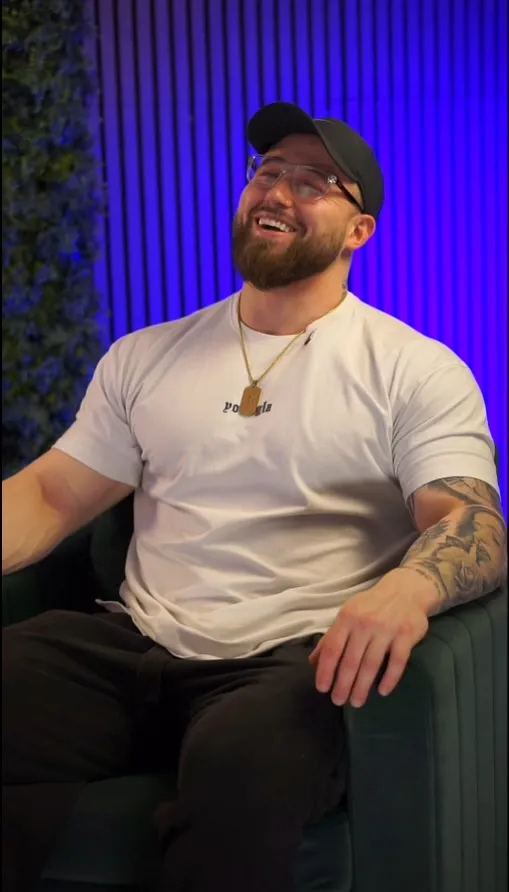
“Being raised by my grandparents has helped me,” says Bailey, “especially in business when I talk to people, they respect me when I speak. So that’s been good for sure. Also with how I view work. Nowadays I feel like a lot of people don’t want to work hard and that’s baffling to me. I mean you have to work hard to get anywhere. So my experience has definitely taught me to work harder.”
Like many who come to USHEALTH Advisors, Bailey’s path to get here has been uneven at best. Though he’s now helping and serving with health insurance, there was a time Bailey was going to be an MD… until he wasn’t.
“I was pretty much dead set on being a doctor for some reason,” says Bailey. “I think my grandparents wanted that for me. I didn’t really want it so much, but they wanted it. And I got deep into all the sciences and stuff. I studied all of that. I loved it, but I hated numbers. So I guess it made sense for me to go the science route. I got into the University of Texas and I was about to go to UT Southwestern after I graduated, but right before I started medical school classes I randomly dropped out. I told my grandparents, “Hey, I can’t do this.” They weren’t happy, but I had to make a choice.”
With his former aspirations in the medical field in his rear-view mirror, Bailey went looking for something else. He found a job selling solar. And while on the outside looking in it seemed bright and sunny, once Bailey started his career there, the experience turned dark.
“I didn’t have a job, says Bailey. “And I didn’t have any sort of education that I wanted to use for my future. So I got into selling solar, which is what I was doing for before I came to USHA. It was really good for a while. I mean, solar was popping. It was like the trendy thing. Everyone was into it. And then all of a sudden I went to work with a different company with one of my friends. He made some big promises, really good things. It looked good on paper so I trusted him and went over there and I was building, recruiting, training new guys on how to door knock, how to sell solar, but without getting paid, it was pretty much only the promise of getting paid.”
“When I first got going there, I was getting really big checks. But I my friend was trying to entice me to come over to the company and I guess I came to realize he was just paying me whatever he was getting for the solar. So once I got into the position of leadership with that company, I was there for maybe eight to ten months with no pay at all. And I was working way more hours than I do here at USHA, which is hard to believe, because here I work from about from 7:30 am to about 10 pm every night. So I was working more hours doing solar, but I ran out of money pretty quickly. I couldn’t afford rent, couldn’t afford my car, and I didn’t have anywhere to go. I was about two weeks from being homeless. And then on a whim, I texted one of my friends from college.”
“I said, “Hey, who is that guy you told me about who was doing a pretty good job in insurance?” I need an opportunity. And so I just showed up here on a Tuesday, I think it was. I was late so I didn’t get to see the full pitch of course. And so Pay Afshari, who was a Field Sales Leader at the time, pulled me aside and he was straightforward with me and talked about what it would take. Pay said, “Do you think you can do this or not?” And I was like, “Absolutely, I can sell. I can do whatever. I need a job.” He explained to me you’re going to have to be here at this time, and you’re going to have to work your butt off. You’re going to have to dial and you’re really going to have to grind. I said, “That’s what I need to do. Absolutely. Let me do this.”

Many times the toughest part of success is to simply begin. With a sense of urgency and the prospect of homelessness looming, Bailey had all the incentive he needed. In need of health insurance, Bailey got to work immediately. But after writing a health policy on himself, Bailey struggled to help others, needing to learn more about the products and the process.
“I guess at the beginning I was having a hard time understanding how to really do this, to properly explain the plans,” says Bailey. “In solar you have to really push people, you’ve got to sell ’em hard. And here you don’t have to do that. People don’t respond to that stuff here, it’s much more of a consultation, explaining, describing it, just showing people their options. And then they pretty much choose for themselves. People don’t choose solar for themselves, ever. So that was a little hard for me to get used to because I was being kind of pushy on the phone. So I had to dial it back and I just shadowed my leaders and other agents a lot until I could understand how to use my own confidence. Now I’m really good on the phone.”
“It took me a little bit of time to understand all of this. And of course when it comes to prospecting and dialing leads and everything, I was used to having people door knock for me in solar, like appointment setters and I would go in there and close it. So I had to really learn to prospect a little bit better. I was struggling with that one for sure. But I turned that around pretty quickly. It is not a tough thing to learn, just have to understand where to put the energy and the effort and how to do it systematically and be consistent with it.”
Hard work works, as does the word that drives success and keeps it going… consistency.
And so with the work ethic and the work effort… how does Bailey find time to unwind? Like so many do, he uses music to help soothe the savage soul.
“I play guitar,” says Bailey. “I workout, I lift weights. I don’t do that much stuff for fun. But I love to work, I think work’s fun, honestly. That’s what I do most of the time. It has to be fun.”
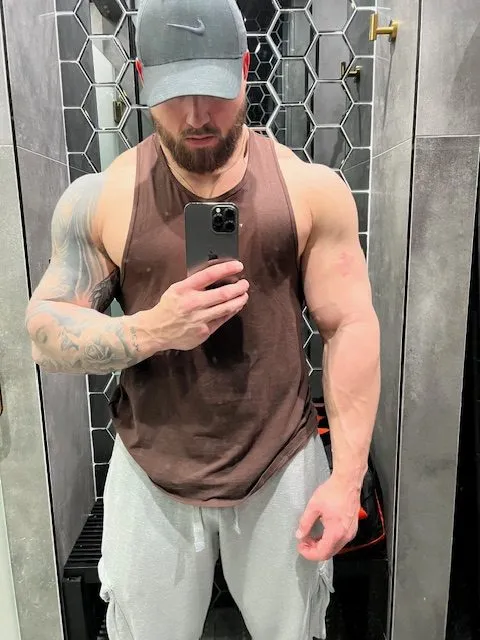
If you love what you do, it’s not work… but it also helps if you have someone you love and who loves you, to help get you through the tough days. For Bailey, that’s Ashlee.
“I’ve got my girlfriend, soon-to-be fiance, Ashlee,” says Bailey. She works with me. I contribute a lot of my success to her as well. She is phenomenal. And believe me, there are days I’ll get down a little bit. I’ll get kind of into a trance where I’m not pushing, I’m not as hungry as I should be and she kicks my ass, tells me to get going again. Ashlee is good at that, for sure.”


As most successful people do, Bailey says he can reach inside himself as well to find the next gear, to get that something extra he needs to take his life to the next level. After all, if you put the extra in front of the word ordinary, you get extraordinary. It takes focus, time, and effort.
“I have a lot of internal motivation,” says Bailey. “I want to better myself all the time. Every week I look at my numbers and I want to do better. I look at where I’m slacking, where I can be more efficient. I can be super unorganized, but that’s where Ashlee helps me again. I need help with that and mastering it and getting a little better about where I’m spending my time and energy and effort – it’s an everyday challenge. But the motivation part is really more about discipline. That’s where I don’t think you need motivation. I think you need discipline, you know what I mean? I feel like when people look for motivation, figure out how to find it internally and then just understand what you need to do there to get where you want to go and then do it every day. That’s discipline. And if you’re not doing it every day, figure out why – correct it – and then do it every day.”
So what does a day in the life of Bailey Broyles look like? He’ll admit it’s a little like Groundhog Day, the same routine, on repeat.
“So typically what I do is I will wake up around 5:30 am,” says Bailey. “I’ll go lift at the gym and then be in the office around 7:30 am or so, and then everyone’s here dialing no later than eight o’clock. We’ll do that until about 11 or 12. Then we usually have a training. Then we do some one-on-ones with the team and we take a little bit of a break and then back on the phones by 4 pm or so until eight or nine o’clock. That’s just a daily thing. I try to do a lot of trainings with my team, focusing a lot on tonality and how you sound on the phone, especially in that first 15 seconds, because without that, if you sound like everyone else, you’re getting hung up on. If you can really master that skill then it helps turn a new agent into a very productive one. But aside from that, it’s just dial, train, break, dial, that’s really it.”
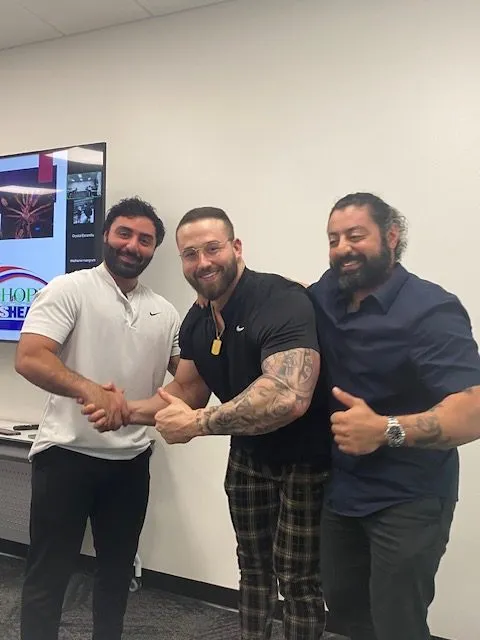
Bailey’s early success at USHEALTH Advisors has also fueled his vision for what’s possible here and with his life. Bailey’s ultimate goal is to break new ground, turn conventionality on its ear, and think a little crazy. After all, the people who are crazy enough to think they can change the world are the ones who do.
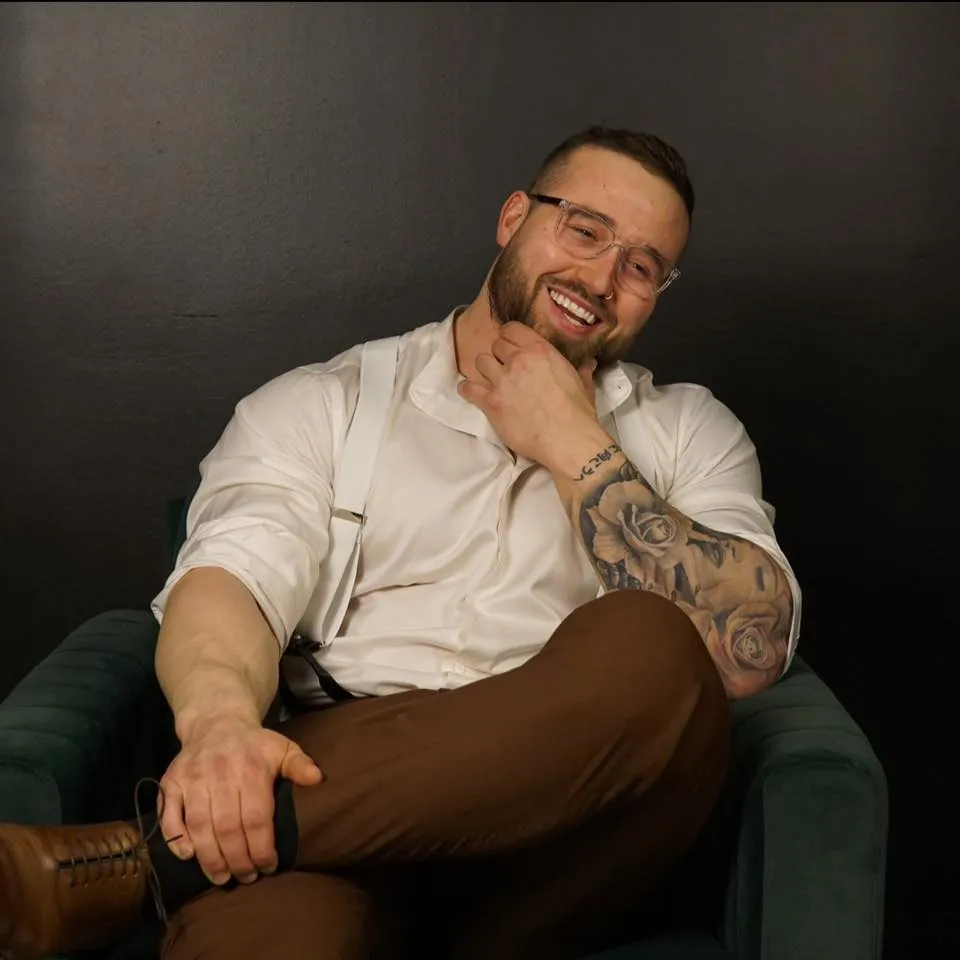
“I want to do things that people haven’t done here,” says Bailey. “I want to make a new path. I know that’s tough to say because reinventing the wheel, that’s something people don’t really do, and you don’t have to do it here, nor should you do it to get going. But, moving forward, that’s what I want to do. I want to reinvent something and do bigger and better things that haven’t even happened here yet. I’m a long way from it, but that’s my end goal.”
The ones who see things differently with a grand vision are the ones who move the human race forward. And it all begins with one intrinsic motivation… be hungry.
Until next time, thanks for taking the time.
Your Storyteller,
Mark Brodinsky
Commitment - Saifallah Hayek
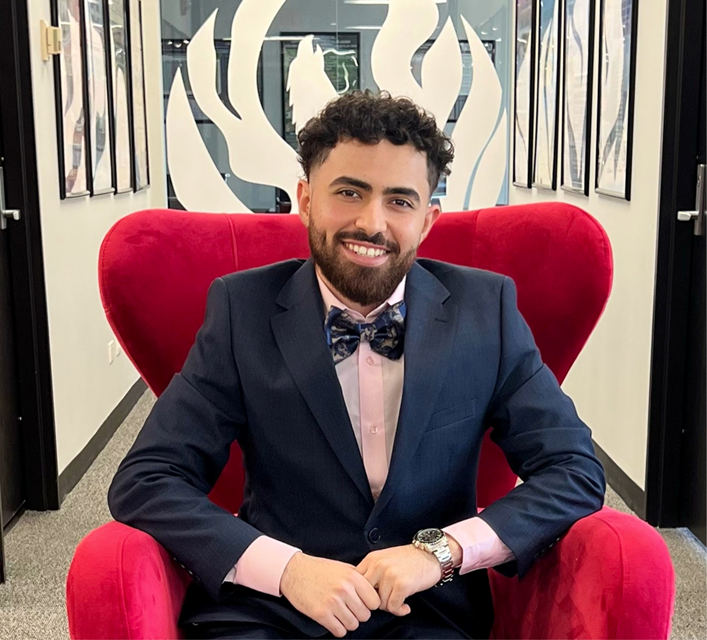
The only limit to your impact is imagination and commitment. – Tony Robbins
Saifallah Hayek can narrow it down to one word – commitment – going all in on what you want. We could start and end it all right there, but how did Saif, (as he likes to be called), develop that simplistic thought?
That’s where the story begins. But why bury the lead? Saif is an all-star at USHEALTH Advisors right now. With still half a year to go, and out of 4,000 agents at USHA, Saif is ranked #6 nationally, with more than $1 million in issued health insurance policies.
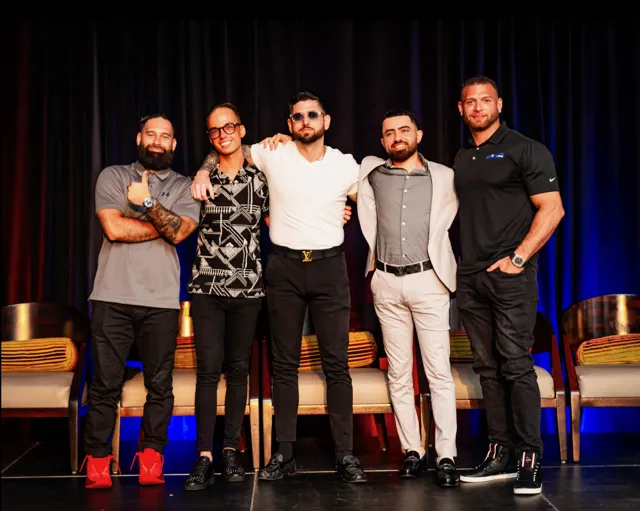
But big success is never an easy road, and Saif’s start at USHA, just like his early years of life, is filled with many unsettled moments, and without a solid foundation on which to stand.
We all come to the place we are honestly, because we are the ones who took the steps to get us here, right or wrong. Those steps are seldom smooth, most are rocky and uneven. Saif knows first-hand what it’s like to feel unsteady.
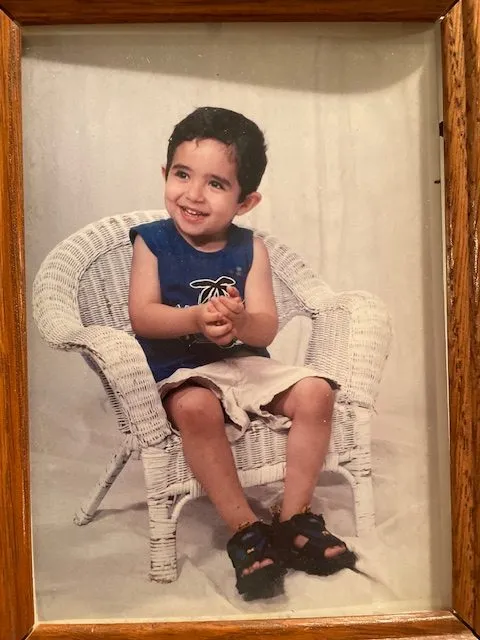
“I was born in Illinois, but my dad came from the Middle East. We went from living just outside Chicago, then living in Jordan in the Middle East, then to North Carolina, and then back to the Chicago area.”
“For the first four years of my life I spoke zero English,” says Saif. “I spoke Arabic only, and then not until I went to pre-k, was when I started learning English. When I was about seven my mom took me and my siblings, and we moved to Jordan. We lived there for a year and a half because my dad was really tight on finances. He couldn’t support everybody, so he was like, let me just work as hard as possible for those two years. Then we ended up moving back to the Chicago area, and we lived there for another two or three years.”
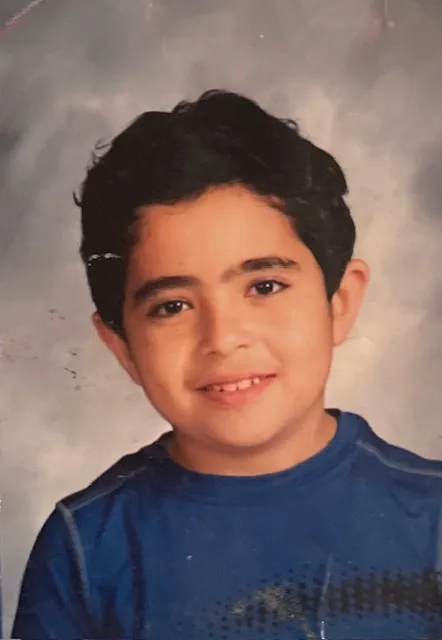
“Right before fifth grade, my dad just made up his mind to finish school. So he went back to a university in North Carolina where he knew one of the professors, he got his PhD, and then he was looking for jobs back in the Chicago area. So we ended up moving back to Illinois. It was the middle of my freshman year in high school when we moved back and I’ve been here ever since. I never had a solid group of friends until late in high school.”
“It was tough, but I didn’t really have a choice. I was always a kid who would try to fit in as much as possible. Growing up, especially in North Carolina, I would change schools every single year. We were renting apartments and then the family was getting bigger and my dad would keep trying to upgrade to a new apartment. And we’d change schools because of it. I think I went to four different schools within about four and a half or five years. I was just all over the place.”
With the challenge of different cultures, countries, states, and friend groups, Saif craved stability and a solid footing to build his life. But life is here to teach you and from your biggest challenges, come the greatest life lessons.
Saif learned one of those lessons and embraced it, getting comfortable with being uncomfortable.

“I mean, I’m grateful for it,” says Saif, “because, I think situations that put you out of your comfort zone are situations that you learn from the most. If you’re comfortable, you don’t learn. And I was constantly uncomfortable. I would hate going to school, but at some point I had to make it work to where I enjoyed it, because either I’m going to hate every day of my life, or I’m just going to try and extract the good things out of it and make it something I look forward to. Whether I had a lot of friends or not, even if it was a couple here and there, I made it work. I always had this type of mindset.”
“I don’t know if I was born with it or at what age I developed it, but I get uncomfortable at a certain point, and then I’m like, you know what, I’m just going to have to deal with it. It’s like a mind shift where I have to almost force myself to love being uncomfortable, and it makes things a lot better. Then take that same mindset into an industry like this. It’s not easy for somebody to come in and just make a bunch of bonuses and a lot of money, but once you love what you do and you understand that you’re actually making a difference in people’s lives, it gives you a passion for it.”

Passion will get you going, but your purpose will keep you growing. Yet nothing in life that’s worthwhile, no matter the passion and purpose, is ever easy. And while Saif has found a home at USHEALTH Advisors, before he even walked in the door he realized he might be biting off more than he could chew… or simply biting at the wrong time. 🙂
“To be fair, it was almost like an accident,” says Saif. “Because I was on my way to the interview here. I was supposed to be on time until I actually got pulled over – for eating while I was driving. So I ended up getting to the pitch for the company like 30 minutes late. I walked in and there was nobody on the floor, so I was just sitting there waiting on one of the couches. And Grace Ha, who is a Field Training Agent, walks by and she looks at me, and says, “Are you here for the interview?”
“So she walks me into the pitch but it was almost over, so I really had no idea what I was getting into. I didn’t find out that it was full commission sales up until the time I got offered the job, and then I took it. That was a Wednesday, but I was like, “Oh, yeah I can start Monday.” I had only been working at a hospital about four hours a week, going to school and l wasn’t making much money. I came into the Chicago office on that Monday and they’re talking about the values of the company and the income opportunities. And I thought this is something that I can see myself doing. And if there are all these agents doing this who are really successful, then there is no reason if I spend all this time with them every single day I won’t be as successful too.”

It’s a cliche – if they can do it, so can you. But it’s the truth. If someone else can make it happen, despite the challenges and obstacles life will put in your path, then you can too. Saif’s experience was no different than most who try something new.
And he soon realized that failure is simply success deferred.
“Honestly, I was just going with the flow,” says Saif. “I wasn’t really all into it. I just knew I have to do this to start making money. That was my perspective coming in. I was like, even if this doesn’t work out, I am still in school and I’ll do my marketing gig on the side, so this job with the health insurance is just an extra stream of income. That’s all I thought of it when I first started.”
Still living life the same as when he walked in the door, Saif felt scattered, unsure, and trying to find his way. He was repeating his past where life was always a surprise.
“I had been here for three and a half, maybe four months, and what changed for me was I was looking at my paychecks and thinking I’m working 60 hours – and sometimes I’d work 70 or 80 hours – and I’m barely bringing home anything. It took me six weeks from the day I got appointed as an agent, until the day I wrote my first application. So I was looking at my progress and I thought, this is not good. I know the problem can’t be the system because the system’s working for other people, so there’s no reason why it wouldn’t be working for me. Right then I gave myself a deadline and I told my parents the same thing. They were also concerned. My parents would ask me, “Are you sure you’re doing the right thing? You’re spending all this time here and you’re not making anything. So, what are you doing?”
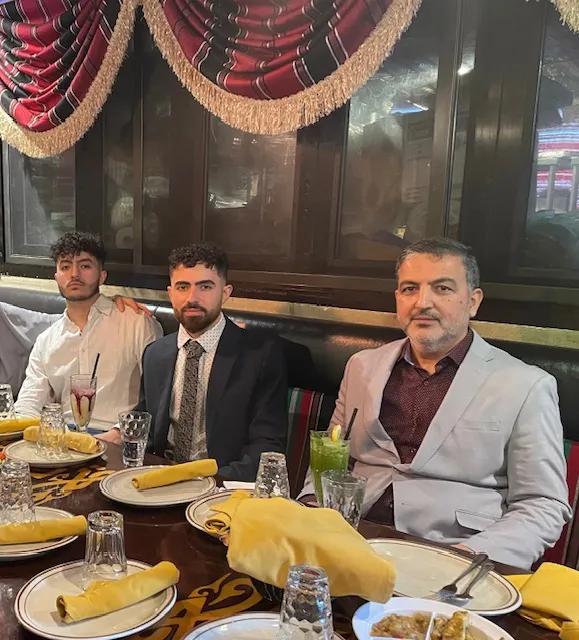
“Eventually the doubts start getting in your head. So I told myself, okay, either I’m going to hit my $250,000 annual volume milestone or I’m just going to quit. It’s one or the other. And I changed. I was still working a lot of hours, that didn’t change, but I was actually doing the work because it’s not about the hours that you work, it’s about what are you doing with those hours. So I was listening to a lot of trainings. I was calling a lot more people. I was tracking myself, and that was a big part for me. I would track the nitty gritty details of my pitch, my presentation, my calls, whether it was how many times did I say, “um”, to listening to my tonality on the phone, and more. But at that time I was already eight weeks in to the company’s 13-week milestone goal of $250,000 AV, but still far away in production at $65K.”
“Five weeks to go. And then things started to click with me and suddenly I was doing $60k, $70k weeks back-to-back. And I ended up making it happen. “I think I wrote $280,000 AV in my first 13 weeks. And so I stuck around and I’m still here. But until I gave myself a deadline, and I really, really committed myself…that’s when things started to change.”
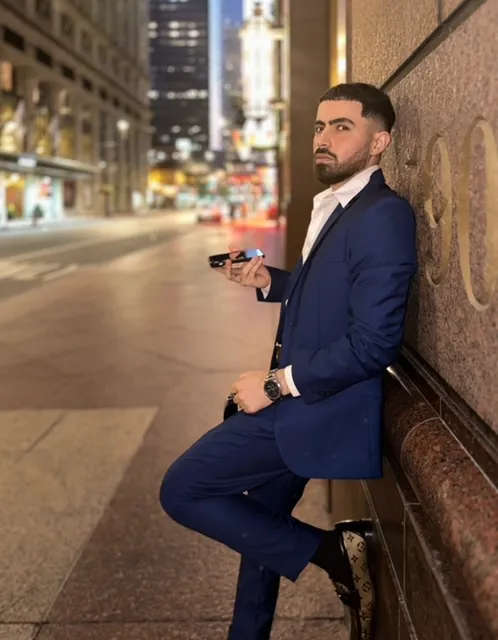
Now as a Field Training Agent, what advice does Saif have for the new agents coming in the door at USHA?”
“First they get to know my story,” says Saif. “I guess I was really bad at the beginning and when I started really committing to the work I do, that’s when I started being the Saif that everybody knows now. So the new agents know, they have an idea of who I am. And then once I introduce myself, the main advice I give them is I try to make this career relatable to them.”
“For example, there was one person who we hired who is 19-years-old, and the first thing I told him, I said, “Oh, you’re 19, man, I wish I started at 19. Do you realize the opportunity you have right now? If I were you I would be here in the office, a lot. All the hours you’re awake, I would basically be here and grind. And you have to commit yourself.” “I talk a lot about commitment. If you are in this opportunity, you have to be all in. Your work has to be intentional. You have to be genuine with the work that you do. If you’re not genuine, it’s not going to last. You can’t come here and just make fast money because you want to make a lot of money. Everybody wants to make a lot of money, but you have to be passionate about helping people. If you don’t have the client’s best interest at heart, you’re not going to last here. But if you genuinely care about all the clients that you talk to and you have their best interest in mind, well, then you have a passion for what you do now. It’s very easy to commit then.”
But it’s not just a commitment for Saif, that action coincides with another word, one that when you wrap your head around it becomes a direction for life – because it’s important in all that we do, or don’t do – that word is awareness. You can’t fix what you’re not aware of and you have to be aware to see what steps are necessary to build success.
“I was definitely making a commitment to turn my life and my business around, says Saif. “But commitment is a very vague term. I don’t think it’s one thing when I look at what I was doing before I was producing versus after I was producing. It’s two completely different things. When I wasn’t producing it’s because I wasn’t working as hard. I wasn’t focused. I would be listening to music at work. I wouldn’t pay attention during trainings. I wouldn’t take notes. I wouldn’t review my phone calls. So I wasn’t really doing anything productive at all. And then almost overnight, I just started trying to do everything I possibly can. So it’s almost like I was suddenly doing as many right things as possible. And that resulted in the production in my career you see right now. So now it’s changed. I’m coming in on time. I always set a certain amount of appointments. It’s every day where I text a certain amount of people.”
“I always work my CRM. I always train myself. I always track my production. I always think of new ways to do things, and I’m always being critical of my work and I’m always sharpening my tools in as many areas as possible. I wasn’t doing any of that beforehand. And I would say if I take away some of the things I’m doing right now, my production would drop a little bit and if I take away a little bit more, the production drops again. But the more I do the right things, the more my production goes up. So it’s a combination of everything.

Commit, then you make progress and make an impression. Saif is not running the Top Ten as a personal producer at USHA by chance, it’s only because he took the chance, took the leap of faith, and then turned around and eventually believed in himself and his abilities, and developed the work ethic to back it up.
So how do you get to that type of production? How do you get to that level of success? How do you get to a place where plenty of agents in the company are looking up at you?
It’s simple, you give.
First and foremost it’s Saif’s family.
“I have three siblings,” says Saif. “They’re all doing different things. “My sister, who is 21, she is in school studying children’s education. She wants to be a teacher. And my brother, he’s 17 years old. He’s in high school, but he also started a little side hustle business, which is car detailing. He actually told me the other day that he went door to door knocking for the first time to drum up business. I thought that was pretty cool, so I role-played with him and he sucked,” laughs Saif. “So I gave him some pointers. Then I have a younger sister, she’s nine, just finished third grade.”

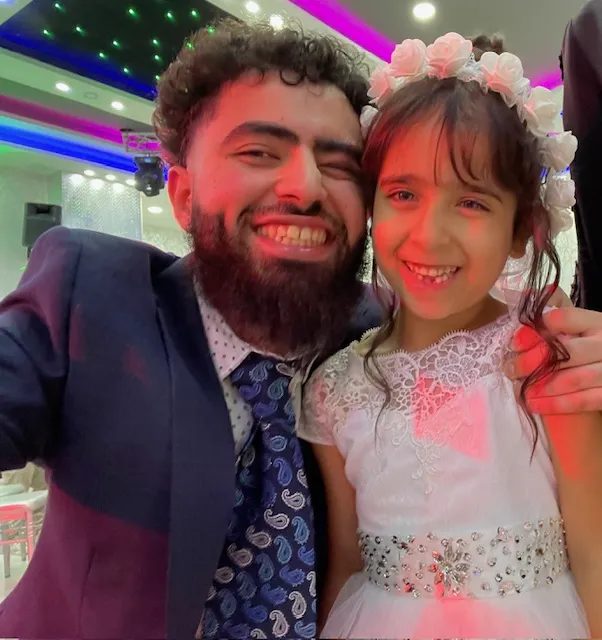
“I love the idea of giving back,” says Saif. “And for me, for example, with my team, I try to give back as much as possible to them. Whether it’s helping them out with one-to-one appointments, with anything they’re struggling with, or just helping them out with purchasing more state licenses, or giving them more money in leads. But seeing a difference and making an impact in somebody’s life is probably the biggest thing for me. Because when you come in and make money on your own, it’s great. But then once you see your impact on other people, that solidifies a sense of purpose.”
“And in the future, I would want my legacy to be raising children who are also duplicating what I’m doing in their own way. Because then a hundred years later, I want that to be something that lives on. That’s the only way that you can keep your message and your work alive, is if you give and pass it on to other people.”
Giving, living, and caring are attributes everyone can strive to master.
That’s called making a commitment to life.
Until next time, thanks for taking the time.
Your Storyteller,
Mark Brodinsky
Know Your Purpose - Francesca Zanelli
Know Your Purpose

“Without a purpose, life is motion without meaning, activity without direction and events without reason.” – Rick Warren, Author, The Purpose Driven Life
You don’t need to ask Francesca Zanelli more than once why she is here. Her life has been a journey through three P’s… from Peru to Passion to Purpose.
Francesca says she’s a God-Driven woman, always has been, and always will be and her faith in herself and what she wants in life, honoring a higher purpose, gets her going every day. It doesn’t mean it’s been easy, but Francesca says she has faced every challenge with a focus on being the best she can be.
“I moved to America when I was nine years old,” says Francesca. “I’m was born in Peru, Lima, Peru, and my family and I migrated to North Carolina in 2000 and landed in Charlotte. That’s where my dad planted roots. It was a little bit challenging simply because I had to learn English, but back home in Peru I went to a school that actually taught English as a second language, and so when I came to America, it maybe took me about a year to learn the language, and that was probably one of the most challenging parts of my childhood. But other than that, it was amazing. I loved life in Charlotte. It’s beautiful. Back then, it was a smaller town, but very nice.”


Early in life Francesca also found her passion, giving back, especially when it came to what she describes as her “weakness”, a trait that most others would see as a strength.
“I’ve always loved kids,” says Francesca. “Kids have always been important to me, I guess that comes from maybe from my mother. My mother is a social worker. That’s her devotion. Back home in Peru my mother would bring home children from orphanages – children who didn’t have parents for holidays, like Christmas – and she would always have us volunteer at the shelters and things like that. So I don’t know, it just made me care more. Kids are my weakness. I think that it’s probably why in America I volunteered with the special ed children. I would see there were not a lot of things going on in those classrooms, so I would always just pop in and bring chocolates or just hang out with them. They made me happy.”

Giving back and helping others is also one of the things that brought Francesca to the doorstep of USHEALTH Advisors. Here, the mission of HOPE – Helping Other People Everyday – is something Francesca knows is in alignment with how she lives life. This year especially, Francesca is helping others in a major way, issuing more than $1 million in personal insurance policies before the end of May! That’s a blistering pace that has propelled Francesca to number two in personal production for the entire company. Consider the fact that issuing $1 million in an entire year is cause for big celebration at USHA, Francesca’s accomplishment is already one to admire.

“My goal is to hit $2 million in issued business by the end of the second quarter, but we’ll see,” says Francesca. “I have high aspirations, but not sure that will happen by the end of June.”
Regardless, Francesca is on a major run spreading HOPE that USHA has as the core of its mission.

“It’s just a process of listening to client situations, explaining their options, and putting them in a better position. If we can help them get a policy great, that’s awesome. If I can’t help them, I send them to my marketplace link or wherever they need to go to. Or I tell them to keep what they have. It’s always doing the right thing.”
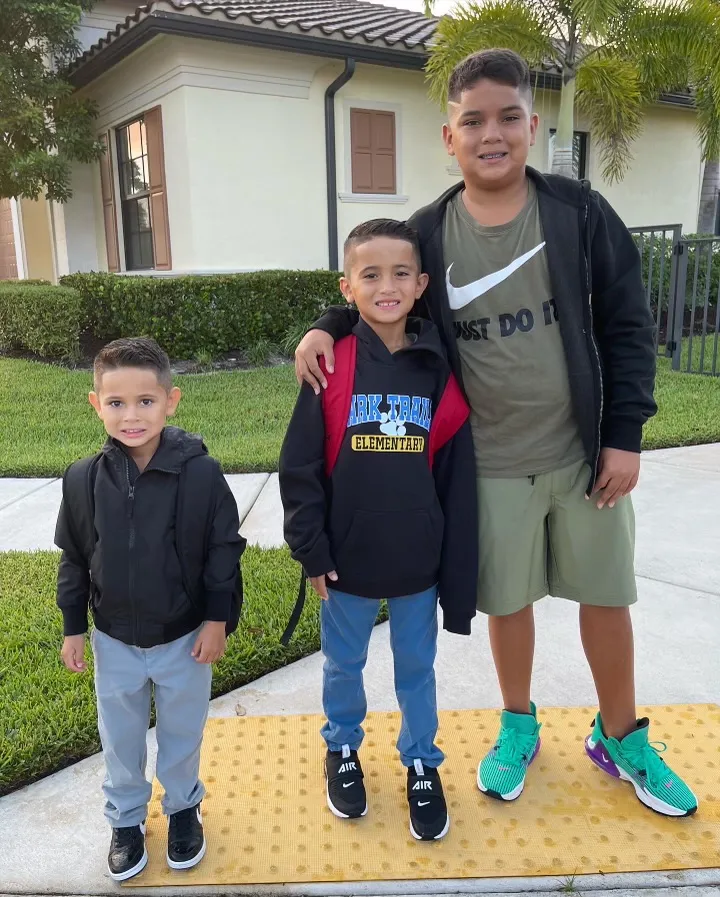
While all of this is happening with USHA, at the same time, Francesca is also putting in the time to be the best mother she can for her three boys, her purpose, GianFranco, Sebastian, and Francesco. It’s a responsibility Francesca takes to heart… and one that began much earlier in life.
“In my late teens my life took a very sudden turn,” says Francesca. “I was going to go to UNCW and then to NC State. But at 18 I got married and I found that I was pregnant soon after, and I had my son, GianFranco, who’s now entering high school. So I had to make the decision at that point if I wanted to go off to college and pursue my professional career, or put that on hold and focus on raising my son. And I decided collectively, with my family, that I was going to try community college instead. So I turned down my scholarships and with my family’s help, focused on raising my son. I did not want to jeopardize the first few years with my child for my career. At that time I thought to myself it’s only five years that I probably have to give up. I’ll go back into school, but I’ll be a mom first. I now have the three boys, and it’s fun. I’ve been a mom for a long time now and they’re my reason, they’re my why, they’re my purpose. I love having my responsibilities with work and balancing it all with motherhood.”

It wasn’t long after the birth of her first son the Zanelli family decided to move from Charlotte down to Boca Raton, Florida to help with Francesca’s ailing grandmother. Francesca’s marriage ended after a few years, but while waiting tables, bartending and attending community college in southern Florida, Francesca was offered a new opportunity, to do what she does best, help others.
“One of my clients at one of my jobs told me they were looking for a customer service representative at their new auto body shop,” says Francesca. “So I ended up interviewing with the owner of the company, they hired me and I oversaw the operations of the customer service and claim processing for collision centers. I started there when I was about 21, but I did really well.”
While working in her new role and after being single for a couple of years, Francesca says she was out one night when she met a man named Adrian Torralvo.

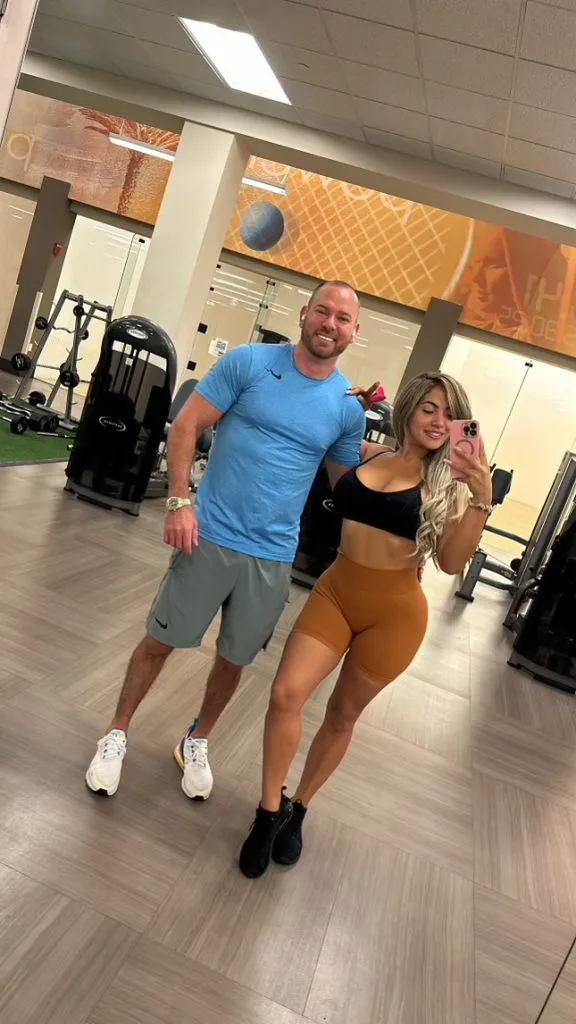
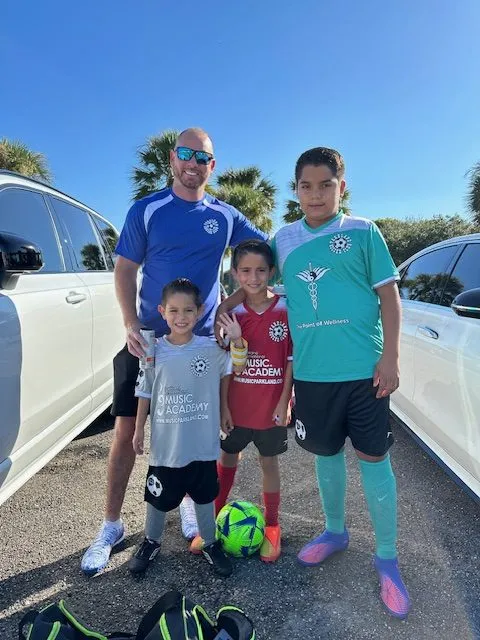
They started dating and Adrian is now Francesca’s fiance’ and the father of her other two children. Just as importantly, Adrian would soon be working at a company called USHEALTH Advisors, led by a man Francesca says truly inspired her, Troy McQuagge.
“Adrian had joined USHA, and I don’t think he was working there for even a year, but he got invited to a company trip in Texas at the home office. It was a five day trip and I had just taken days off at my job, but I had about three days I could join Adrian in Texas and then come back for the kids. We flew out to Texas, and I was just blown away with Troy McQuagge and everything he represents. I heard Troy up on stage and I didn’t really know what Adrian did back then. I knew he was in sales, and he’s a great sales man. I didn’t really know what the company was about, but when I got down to the home office, and I heard Troy speak, I realized he was a God-driven man with a purpose. And to have a leader like that at such a big company, throwing this huge event for the agents from all across the country I just, I fell in love with it all.”
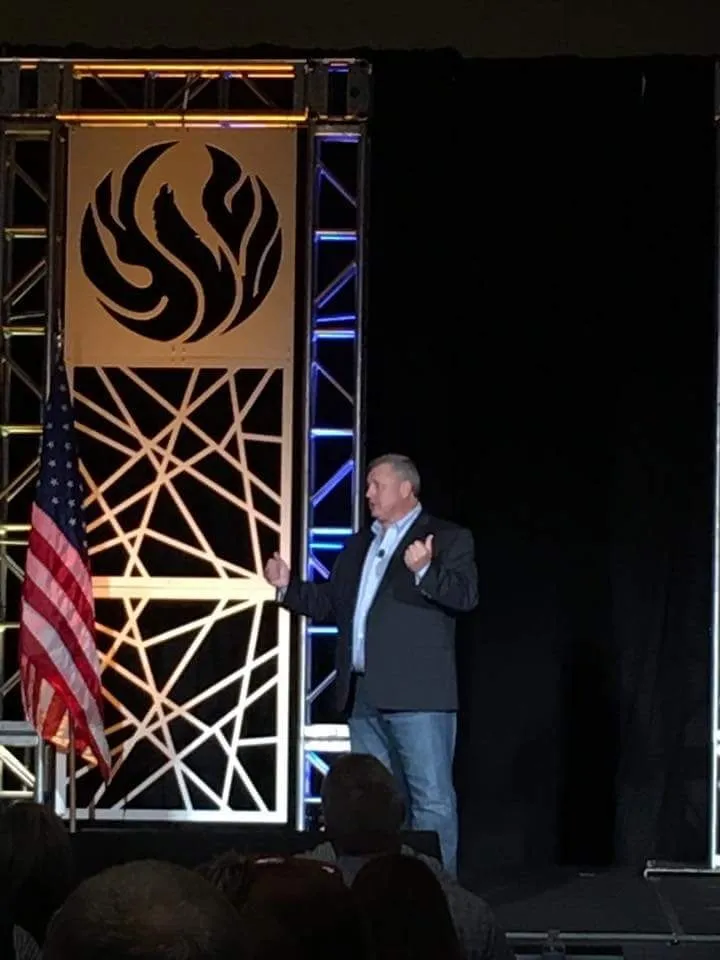
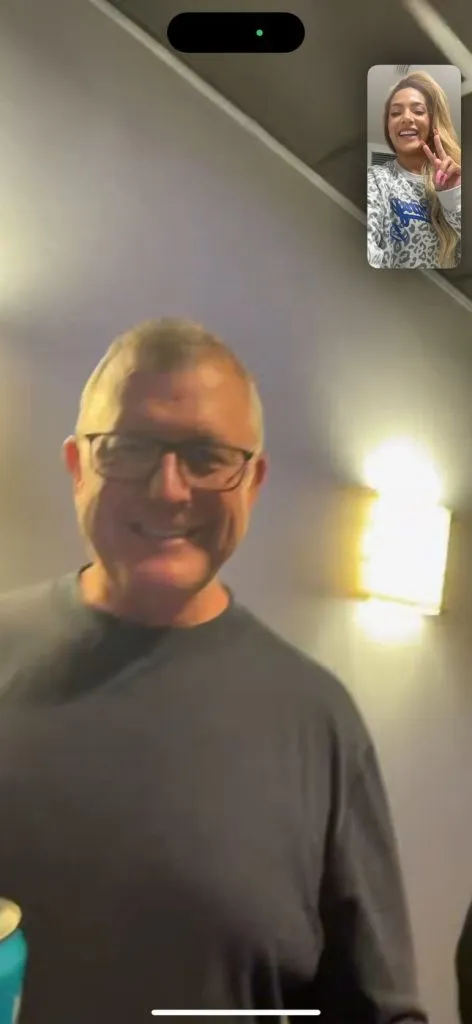
“So, I came back home. At the time, the collision center was still a beautiful company to work for, and I learned so much from them. I’m very close friends with the owners and the managers, the general managers, everyone really, they were like family. But I reached my full potential. I mean, my move up the ranks would’ve been to become the owner, and that was not going to happen. I was making well over six figures. But when I came back home after that trip, I put in my notice without telling Adrian or anyone in my family, and I signed up with USHA. I gave my boss a month’s notice so that I could train the new person and make sure that person was situated.”
“I then signed up for my state licensing course. I didn’t tell Adrian anything until the day before my going away party. We were at the beach with my family. It was a Sunday. That Monday my company was throwing a huge going away party, and I got a call heading out of the beach, put it on speaker, and then the human resources person says, “Hey Fran, do you want to reserve this section for your going away party? Adrian was in the car and he says, “Going away party?” I looked at him and I’m like, “Yeah, I have to tell you something.” He said, “Where are you going?” I told him I quit my job, then I said, “I’m coming to join you at USHA. And I just passed my test. So tomorrow is my going away party, and I plan on starting with you the following Monday.” He asked me if I go my health and life license. I laughed, “Yeah, I got an 88.” Adrian was so happy. He went to buy three bottles of champagne. So there I am with my whole family. I said to Adrian, “I wanted to tell you in your office, but this is God and destiny telling me this is the time. And so, the rest is history. I’ve been with Adrian at USHA since. The first few years I helped Adrian with his business and his team and now I’m also a producer.”
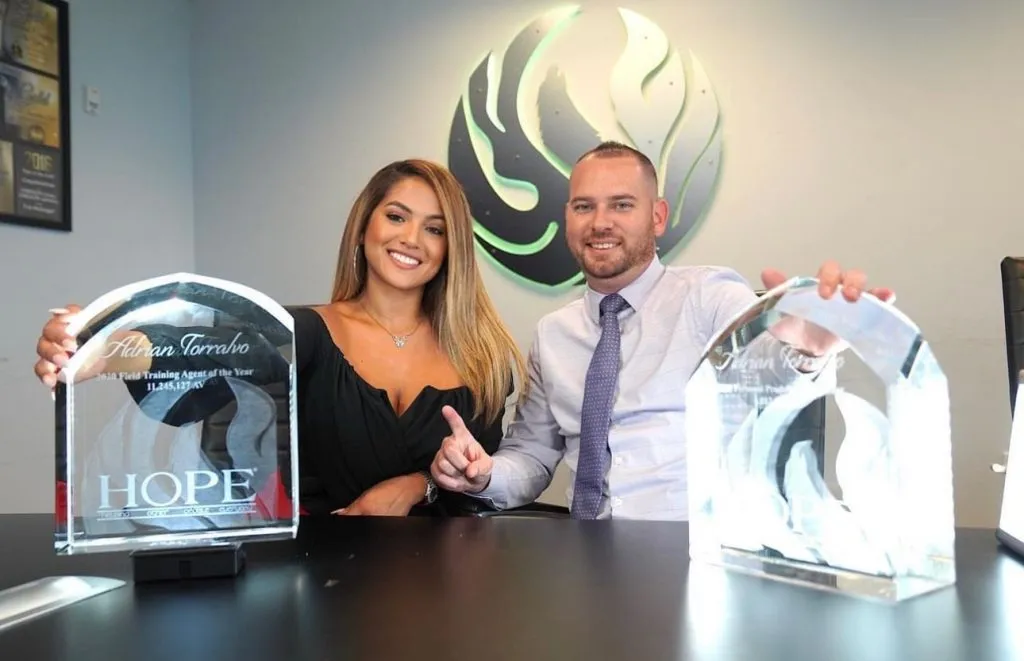
A big producer, as evidenced by her strong output this year. So what advice does Francesca have for someone just starting out at USHEALTH Advisors and joining the commission-only sales force?
“I always tell the new agent that when you’re ready to join USHA, you have to sit your support system down. If you want to be super-successful, tell your mother, tell your brother, your cousin, your spouse, your children. Listen, I’m going to allocate one full year of my life. I am starting my own business. I’m going to need you to pack my lunch because I’ve got to outwork the competition during lunchtime, and I’m going to need you to pack me dinner because I’m going to be working late nights too.”
“Make sure that your breakfast is situated and get your sleep in and shut out any other plans for your friends or your girl’s trip for someone etc. You’ve got to shut all of that out for one year. Tell your friends, tell everyone around you because you don’t want to be a bad communicator and then look like a crappy friend, or look like a bad daughter, by not going to see your dad’s birthday celebration or whatever it may be. I think that we have to be, in order for you to be successful at anything, have to be a good delegator and communicator, right? So make sure that you also communicate with your team, with whoever’s around you that you are committing one full year to your business.”
One of the keys to big success – total commitment. It all works when you do.
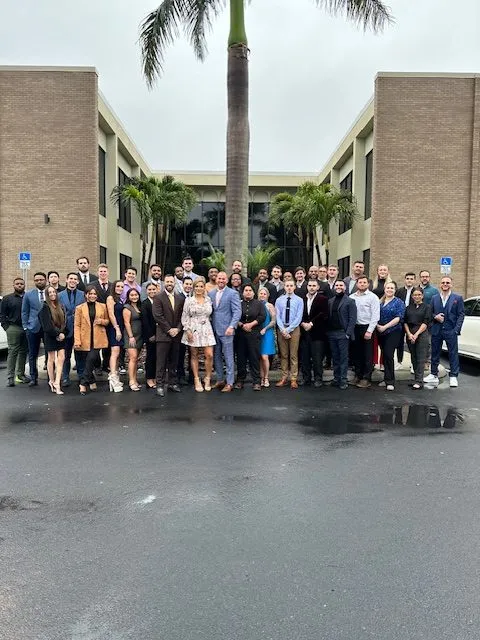
For Francesca, whether it’s work or family, she’s all in all the time, and she feels the same way about her faith. Every Sunday is church, for Francesca and the entire family, and she volunteers at the church as well, living the examples her mother has taught her through the years. Francesca says she has learned plenty from her dad as well, seeing how he was able to successfully navigate his career and his life, from Peru to America, bringing his wife, Francesca, and two other siblings along for the journey to a new world.
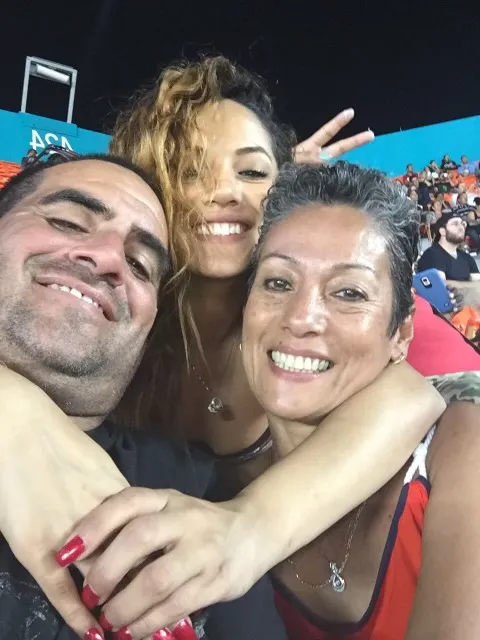
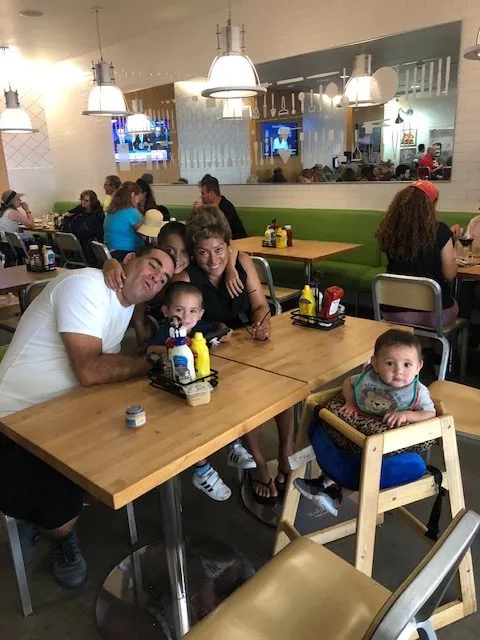
“My dad’s an entrepreneur, a serial entrepreneur,” says Francesca. “He was always working when I was growing up. Plus, he was running soccer leagues and driving cabs. He did food delivery. He’s always into something. When he brought us to the States, he had a good friend in Charlotte who started an organic Peruvian restaurant. And so my dad came over to Charlotte to help him out.”
“Academics were important as well. I was a straight-A student. My dad didn’t play around with grades. He always explained to us how blessed we were to be in the land of opportunity. I was a straight-A student or I was in big trouble. I have told my kids this. They don’t believe it,” laughs Francesca, “but really, I would get into big trouble if I didn’t get straight A’s. My siblings too, who are all successful. My older sister works at American Express as the Centurion Relationship Manager, my younger brother works for the Department of the Treasury in Texas and my youngest sister, Angella Zanelli, she is now working with me at USHA!”
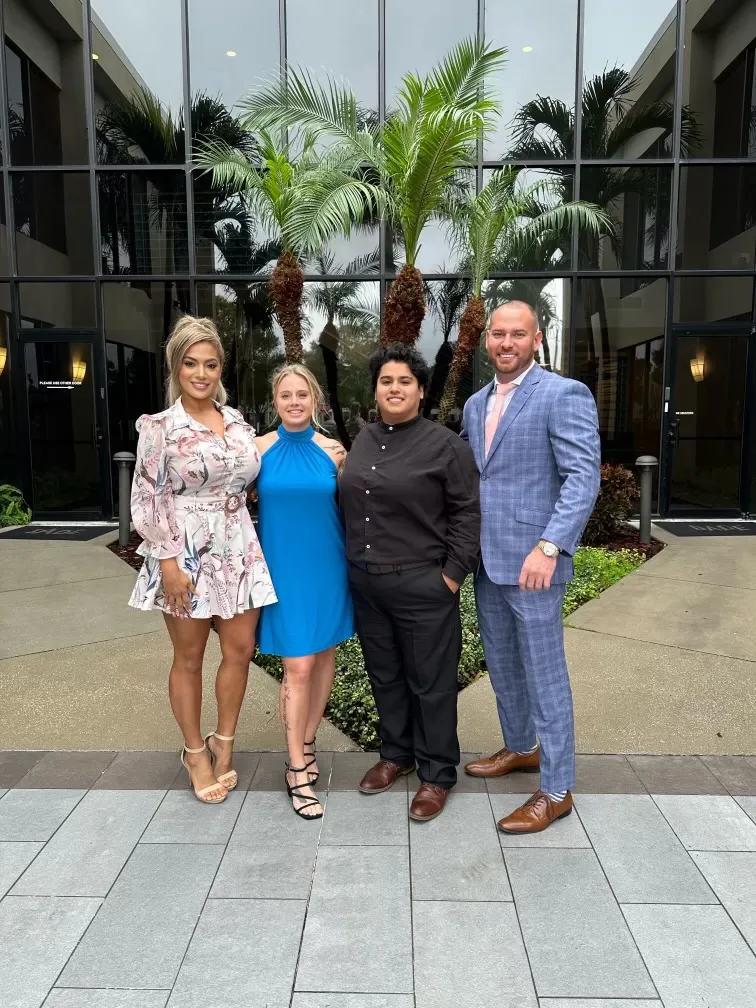
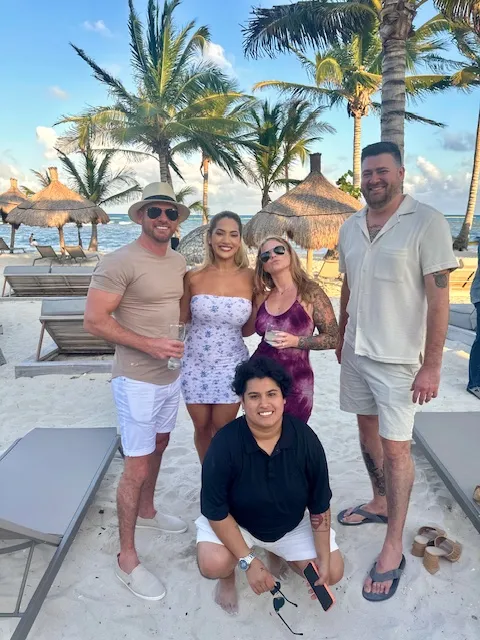
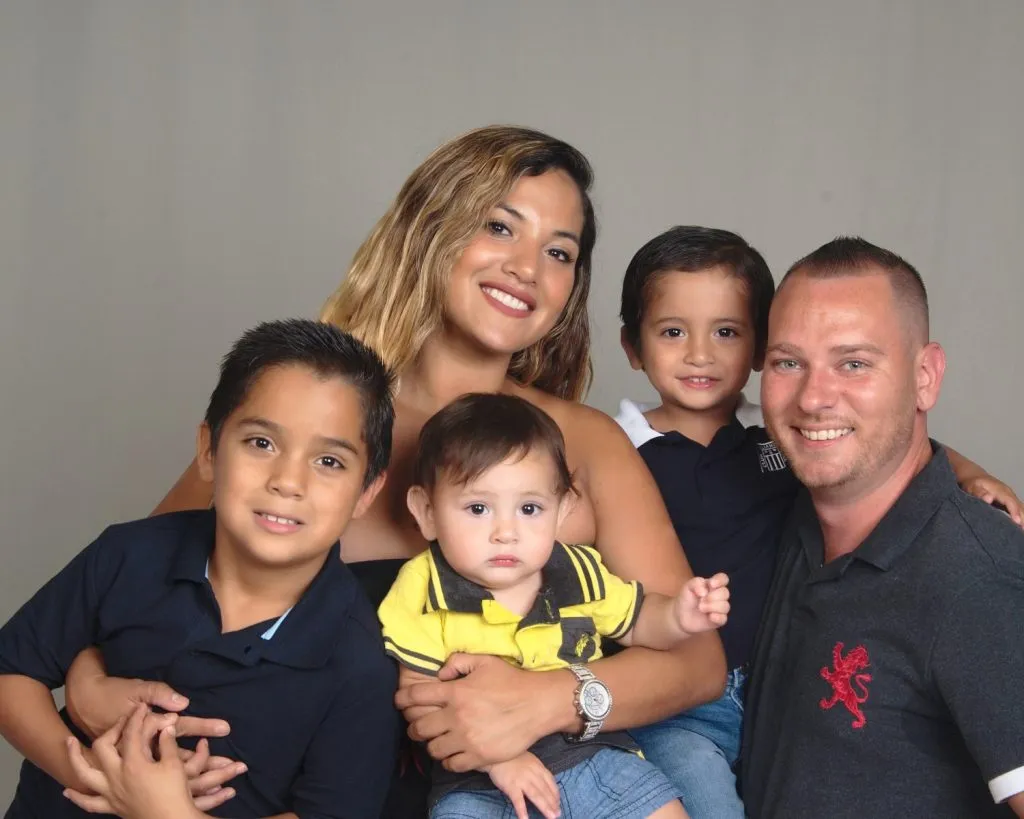
It’s a full life for Francesca, Adrian, and her children, all enhanced by their connection and participation with USHEALTH Advisors. Francesca says her work and her family are in alignment with how she chooses to live her life.

“The number one thing is that I’m a driven woman with a purpose,” says Francesca. “My purpose is my kids. Number one, I want them to see I’m a hardworking woman. I want them to aspire to be a spouse that is confident and never going to just listen to what other people’s doubts or opinions are. I tell my sons that every day. When they question me, and say, “Mom, why are you working late. I say, “Because I’m a hardworking woman.” I want them to see my as a strong, confident woman.”

“I would say that that’s probably what my legacy is, that we women in 2024 and moving forward, we are in the most beautiful country in the world. We have the freedom to be whoever we want as women, and we need to run with that and not take it for granted. We have highs, we have lows, we have hormones, we have husbands, we have children, but we have to put ourselves first. I know my selfish why, and that’s to be the very best person I can be. And that’s to be a God-driven woman, prioritizing my children and just doing right by people. And then the rest follows, because God blesses you.”

Francesca has tremendous passion, lives by her principles and knows her purpose. She is taking it all on and showing herself, her family, and others what’s possible.
We are all possible.
Until next time, thanks for taking the time.
Your Storyteller,
Mark Brodinsky
What Others Don’t Want To Do - Karl Curran
What Others Don’t Want To Do
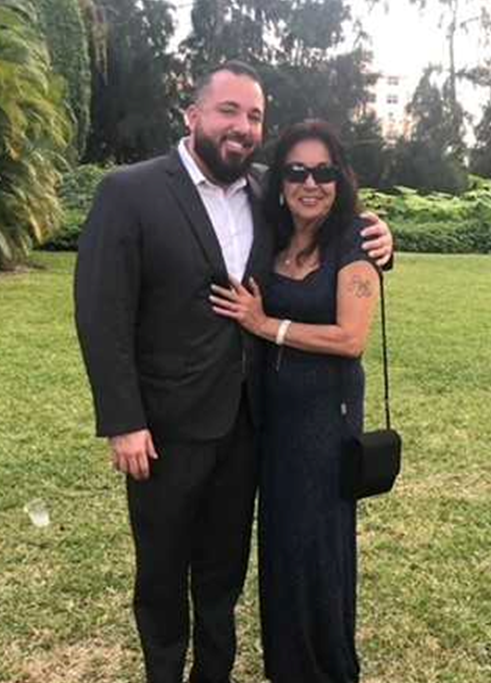
“All that I am, or hope to be, I owe to my angel mother.” – Abraham Lincoln
In most cases, they’re simply the best and we become who we are because of their lessons in love and life. The mom who leads by strong examples has the greatest impact the world could ever know.
Just ask Karl Curran about the lessons he learned from the most important woman in his life, his mom.
“I grew up in Fort Lauderdale, Florida,” says Karl. “An only child. A single-parent family. My mom raised me. It was always work and grind. I never knew my father. He was never in the picture. So growing up I didn’t know any better. I can remember my mom working day jobs and night jobs just to make ends meet.”
“So growing up it was tough with mom working so much. We eventually moved so I could go to a different high school, even though my mom couldn’t afford it. But she moved us to an area where the schools were better and we lived in a nice neighborhood, even though it was the worst part of the neighborhood, just to be in the good school district. I probably wouldn’t have turned out the way I did if we’d have stayed in that certain demographic area. So I didn’t come with a golden spoon in my mouth or anything like that. Like I said before, for me and my mom, it was always work and grind… single parent with no siblings. My mom never remarried either.”
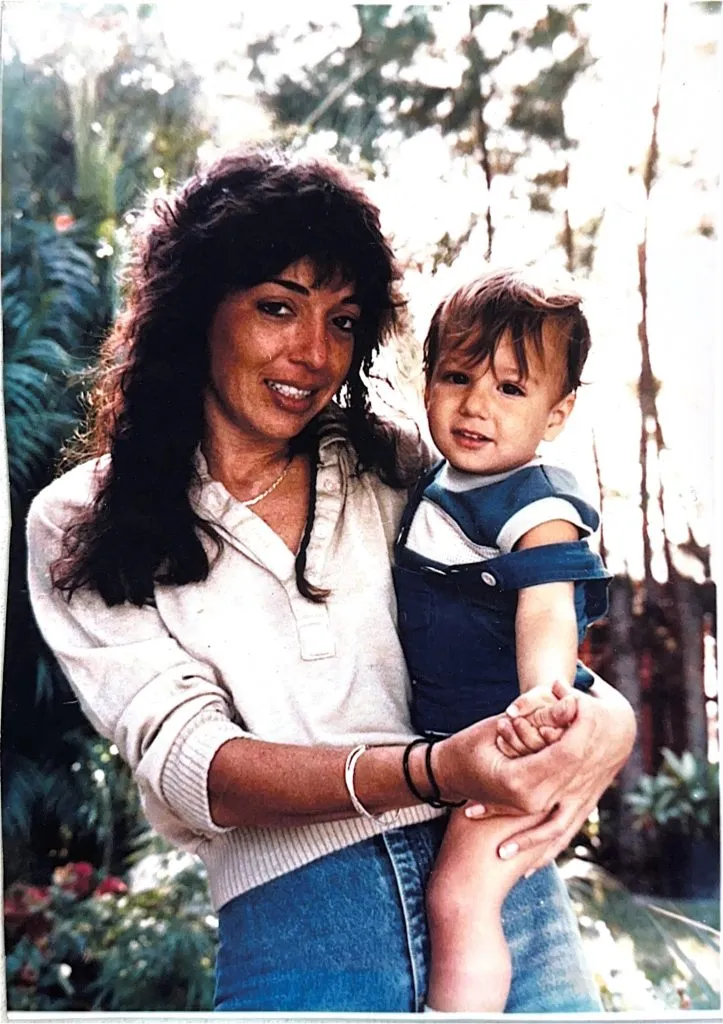
Lessons learned from the best of the best. Maybe, that’s why Karl has become one of the best at USHEALTH Advisors. Work and grind. Karl joined USHA in 2015 and is about to surpass $7 million in personal insurance policies issued. In 2017, Karl was runner-up for the award for Field Training Agent of the Year at USHA and as a Field Sales Leader, Karl also helped train and nurture many others. In 2020 and 2021, he had the number one Field Training Agents in the entire country on his team. Taking a page out of his mother’s handbook on work ethic, Karl knew what it took to reach the top.
But Karl’s mom was not the only woman who led the way. It takes a village to raise a child and as the only child of a single mother, Karl was no different. They used to say that behind every man is a great woman… but as we evolve and change we learn that it’s really the other way around. The women in our lives, especially those who help raise us are the ones out in front, and we’re better off if we live, love and give exactly the way they do.
“It’s been the work for as far back as I can remember,” says Karl. “Even when I was younger, eight or nine years old, I remember going with my aunt, she would be a vendor at the Irish festivals for St. Patty’s Day, and I would help her with the booths. And then my other aunt used to have bagel routes and go to the different offices in the morning. And I would go, of course my mom was at work, so I would have to be with whomever could look after me that day. But I remember going to different offices, businesses, and we would sell ’em bagels and coffee.”
“So yeah, I’ve worked and never really knew any different, it wasn’t work to me. It was just something that you do – and that’s what I saw my family and my mom do as well. My grandparents, they actually worked in the hospitality industry. My grandmother was a server and my grandfather was a bartender. And looking back on it, God bless ’em man, even with seven kids my grandparents worked hard. They worked multiple jobs. They used to call my grandmother, Murph the Surf, because she also was a bookie as well,” laughs Karl. “So I guess she was always in the mix, always trying to make ends meet.”
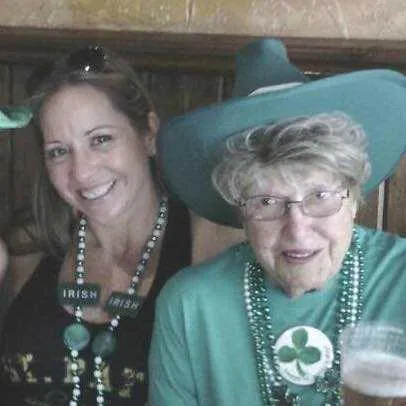
And it was more than just work ethic Karl learned. During a critical time in his youth, while his mom worked to support the two of them, Karl spent time with some relatives who changed his life.
“During my first year of high school I underwent a relocation to live with my Uncle Mark and Aunt Dee,” says Karl. “At that time, my uncle served as the Fire Chief of Coral Springs, the very city in which I attended Stoneman Douglas High School. As I reflect upon this pivotal experience, I can’t help but feel immense gratitude for its profound impact on my life. Residing with them afforded me a sense of stability and structure that was previously absent. It served as a foundational pillar in my life, from which I greatly benefited.”
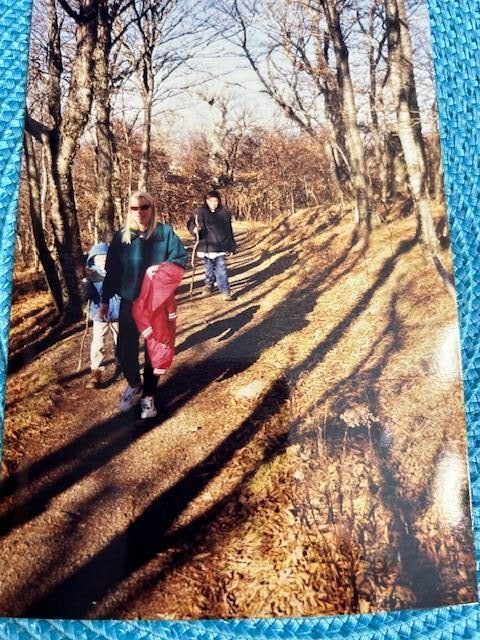
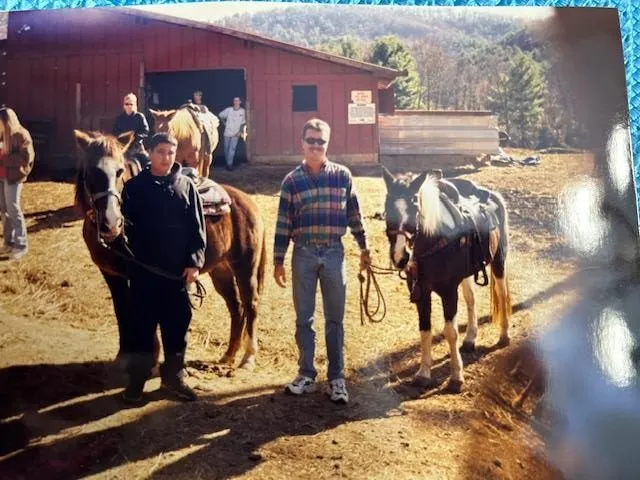
Structure and stability lead to that other “S” word. It’s a recipe for success Karl used, first for himself, and then to help other agents create a new life, along with the “E” word… expectations.
“I learned about USHEALTH Advisors from Garrett Laughlin, a high school friend,” says Karl. “He was and is one of my good buddies. One day I was telling Garrett the story about what was going on with my current business and I said, “Hey man, I never asked what you do exactly? I know you do well. I know you’re always happy and you enjoy doing what you do. I need help. And without question, Garrett says “Okay, this is what you have to do.”
What Karl had to do was get his health and life license, pick up the phone and get it in gear… and fast… because the other “gear” he had been selling was going under. Karl’s apparel business, DILL, which stands for, Deep Inside Lies Limitless Strength, which he ran with several other partners, was in trouble. DILL was no longer a beacon of strength. After a successful run, the company was heading south in a hurry and the money was running out.
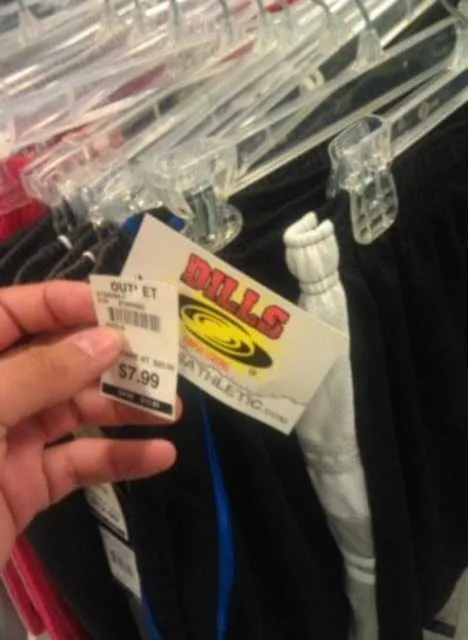

“I had no choice, I just got rolling pretty quick at USHA,” says Karl. “They say when your back’s up against the wall is when you perform the best. And I didn’t think anything of it. I just put my head down and worked. I didn’t question the system, I didn’t question anything. I was being guided by a friend that I trusted and I just did what he said, I kept it simple and I got to work. When I first got started, Garrett says, “All right, get out a piece of paper and write down these five things, then get on the phone.” And I guess just with all the experience I’d had in life, or built up to this point, it was easy for me to talk to people via the phone, or communicate and just use my personality. I’ve always been a people person. I’m enjoyable to be around. And thank God, I mean it worked out well.”

Keep the work simple and then when you’re in leadership, keep your E.I. high, your Emotional Intelligence, because you also need to be sympathetic. As Karl learned by leading others, one size does not fit all.
“So when someone walks through the doors at USHEALTH Advisors, you don’t know if they’re broken. You don’t know their situation,” says Karl. “So you’ve got to figure it out, you’ve got to gain their trust so you can help them, even if they don’t think that you’re willing to help them. So we get ’em in, we set expectations of what’s to come and we tell ’em the truth. So that way, when that day comes when things aren’t going well – or if they don’t talk to somebody for two days straight on the phones – then they’re expecting that. So we get ’em in, spend about a day explaining the process, and then we bring ’em back and take about a week before we actually get ’em on the phones or get ’em rolling. That’s where it kind of weeds out if this is for them or not. I always tell my people when they come on board, if you give me a hundred percent, I’m going to give you a hundred percent. And I’m loyal to that. If an agent gives me 50 percent, I’m not going to sacrifice my time for that, and then he is going to leave a couple of weeks later.”
“But when they first come in the door, it’s important to definitely set the expectations, tell ’em what to expect, and also the potential here as well. And then we go over our mission and we go over the company and talk about our CEO Troy McQuagge and give ’em a little background of who we are and what we’re about. And that way they can understand that side of it as well. It’s not just about the sales because to be honest, it’s about you. For these new people coming in, they don’t grasp the whole thing, but after a month or two, they’re like, “Wow, this culture is amazing. This company is amazing.” Now it comes full circle.”
Life is a circle and for Karl, it’s also a cycle. To let off steam, and engage in some alone time, Karl likes to opt for a little breakaway.
“I like to bike ride is what I really like to do,” says Karl. “So I’d say about two-and-a-half years ago, I really took my health seriously and I got into being more active, got into the gym. I work out five to six times a week. Now, I like to get out in the sun and bike ride. Being in Florida, I love any opportunity to get on a boat or a jet ski as well. But I also love to eat, so I love trying new restaurants, which means I gotta keep exercising. I also recently started traveling by myself a few times, to see what it’s about and I love it. Just experiencing different restaurants and cultures in different areas is very cool.”
Work hard, play hard, love hard. Karl says besides work and a little solitude, his main focus is on the woman who gave him life. It’s still a singular sensation between the two and a relationship Karl says he not only treasures, but also wants to protect.
“My greatest achievement I think so far would be retiring my mother,” says Karl. “She was diagnosed with lung cancer about two-and-a half years ago, and she had to take some time off. I’ve always helped her, but I officially did retire her. She’s good now too. She’s in remission. She’s not as active as she once was, which is understandable. But she’s in remission. Mom is actually going to start doing some part-time work now. She can’t sit home any longer, and I encourage her to go get out a little bit. But she’s doing better now and thank God… because it is always been her and I. So I don’t know what I would do without her.”
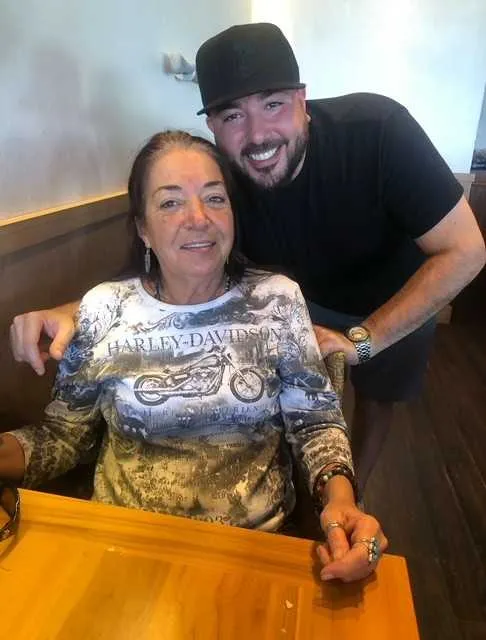
Karl’s sentiment is shared by billions in this world. The miracle makers who give us life, then do all they can to make sure that life can thrive on this planet.
Karl says the attributes he’s seen demonstrated by his mom and all the women in his life, are what have helped carry him this far… sacrifice, strength, and service.
“It’s the drive to help people, especially at USHEALTH Advisors” says Karl. “I mean, you could ask anyone, I wear my heart on my sleeve, I’ll give you the shirt off my back. That’s just who I am and how I was raised. Do good to others and treat them as you want to be treated. Sometimes that has burned me. I’ve been too nice. But has it really hurt me? At least I know deep down inside I did the right thing. So that’s what this business is all about really, because I’ve been in it long enough that it’s seeing the next guy up. It’s seeing changing someone’s life, bringing them in, seeing them transform. And it keeps me humble. I was that person at one time and it reminds me to stay humble and this is what I actually do it for, and I’m honored to do it.”
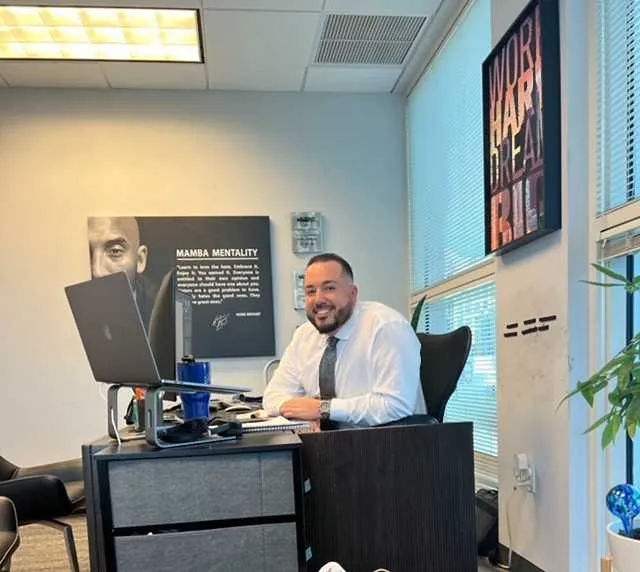
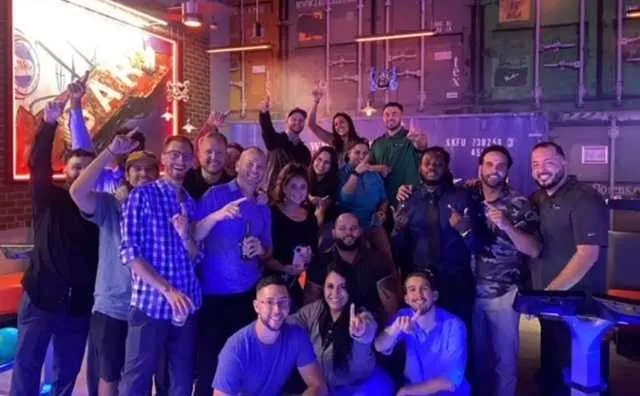
The higher you go and the more successful you become, the harder you must work on trying not to just get by, to coast, it’s one of the challenges of achievement. Coasting might be okay if you’re riding a bike, but not if you want to climb the ladder of success. Every rung higher requires strength and introspection.
“Being an only child, I don’t know if it’s always put me in survival mode or if it’s fight or flight mode, you know what I mean?” says Karl. “I’ve always had to rely on myself and being young that was all I had. I just recently started diving in to myself and asking why I act the way I act and certain traits I have. So I’m learning this process as well.”
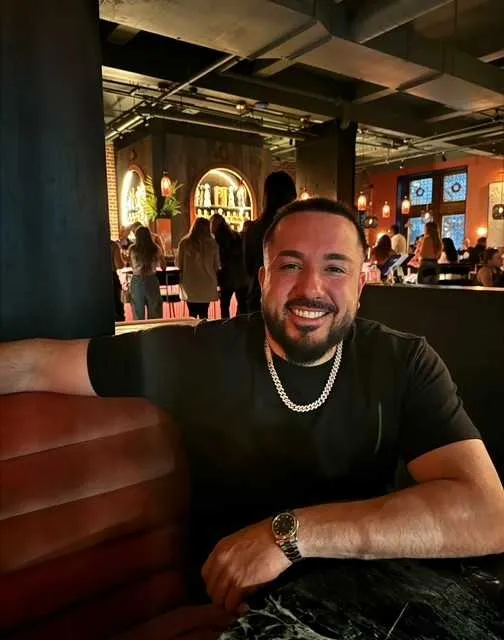
“I mean, I want to leave a legacy and I’ve thought about this in the last few years. I want to leave something for the next generations to come. I want to build a family and have something left for them to follow as well. And one quote or one thing that I live by and stick to is that successful people do what unsuccessful people don’t want to do. That’s what it really boils down to. No one’s pushing you to get up in the morning, no one’s pushing me to get up in the morning. It’s what I do. That’s all I know. A lot of people say quotes are cliche, or there are sayings that are so cliche. Well, they’re cliche until you actually live it or go through it. And then you’re like, oh yeah, that does make sense, that’s the truth. Or, that saying, yeah, that does reflect me and what I’ve gone through. And I guess that just comes with time and that comes with life and that comes with growing… that’s where I am right now. There are a lot of things that I’m like, oh, that’s true or that just happened to me. But there’s one big questioning that I harp on for myself and for my new agents – how bad do you want it? And I’ll say it again, successful people do what unsuccessful people don’t want to do.
So do the work. And then you’ll live like Karl Curran.
Until next time, thanks for taking the time.
Your Storyteller,
Mark Brodinsky
A Caring Loyal Person - Heather Blocker
Toss a pebble in the water, and make a wave.
We all may think the smallest effort or gesture goes unnoticed, but it never does. The ripple effect of being a good person is felt far and wide, whether anyone is looking or not.
You do make a difference.
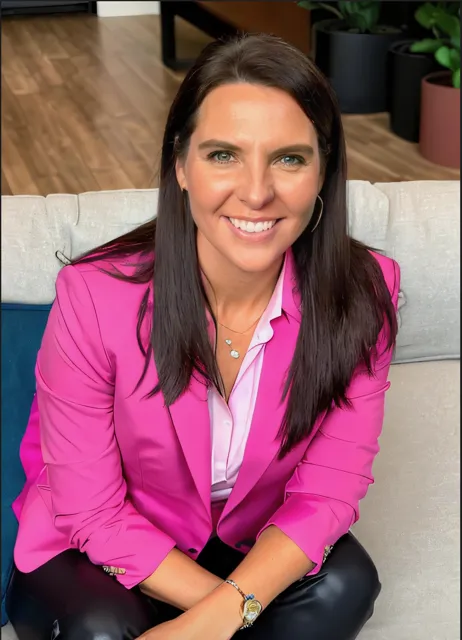
Heather Blocker has been doing this for a long time, one because she’s got her compass pointed in the right direction, the other because she seeks the truth, no matter what.
“I’m a why person ever since I was a little girl,” says Heather. “You want me to do something, I got to know why. I’m not trying to be disrespectful, but I want to know why. And so I ask a lot of questions.”
Ask enough questions and you’ll find all the answers you need to create success, to create something from nothing. Heather’s something has made her a respected agent and leader at USHEALTH Advisors. She’s now part of the Darrell Giannotti Division and is winding her way toward the coveted $5 million AV personal production milestone at the company.
It’s a milestone to shoot for, but what it means at a much deeper level is how many people you have helped along the way. The journey matters as much as the destination, maybe more. Heather believes this and it’s what first attracted her to the place where helping other people every day is the mission.
HOPE is the guiding light at USHEALTH Advisors.
“Mainly because of my history with retail, customer service, working one-on-one with others, I like helping,” says Heather. “That’s one of the things that keeps me doing what I do all the time, not really knowing what it was going to look like in the day-to-day. I was just kind of envisioning it, but I knew the core of what I could offer. I knew that I liked helping people. I knew that I could be relatable to people, even if it was just a conversation of educating them on health insurance, whether I got the sale or not. I just wanted to be that person that somebody could trust because I was that person that never really used insurance, didn’t know a lot about it. So I would want to be helped by someone that’s very knowledgeable and very caring and understanding of my situation and that I could trust. So I wanted to be that person and I knew growing up, I mean I was part of sports, so that team organization, just working with other people, being in management, having employees underneath me, training them and watching them grow and succeed in their positions, I had that confidence in me.”
Confidence and belief. Heather says much of that stemmed from her time growing up in the small town of Jessup, Georgia where sports reigns supreme and Heather’s time on the field taught her lessons in leadership she could carry forward. Sports is one of the great metaphors for life… teamwork, sacrifice, failures, comebacks, goals, and against all obstacles, the desire to win.
“Softball was definitely my pride and joy,” says Heather. “I’ve played since I was eight and played all through high school and loved it. It instilled leadership in me being able to work with other people, different people all the time, and coming together as a team. Wayne County is known for their softball, and their baseball, so I played all year round. I played rec school and travel ball. Our travel team went undefeated for two years back in the early to mid nineties and got invited to the Olympics in Atlanta in 1996. At the opening ceremonies we were invited to carry the torch onto the field. Just being around those girls and learning and helping and just kind of growing up with them… that team aspect I believe really helped with my future leadership abilities.”
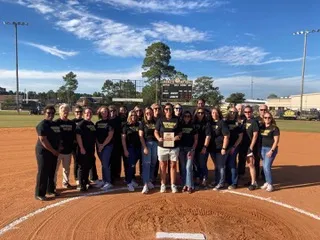
And while still in high school, Heather took her team mentality into the retail world.
“My dad just retired from managing local furniture stores down in southeast Georgia, and my mom was a registered nurse. She worked in maternity in the NICU, so she handled all the babies. So growing up my work exposure was nursing and retail. I chose the retail path. My sister took more of the medical path. I started off in retail in high school, and then I had a couple of scholarships going into college, but I also had to work at the same time, doing the dual role, being a full-time student and working. So retail is what kind of carried me through.”
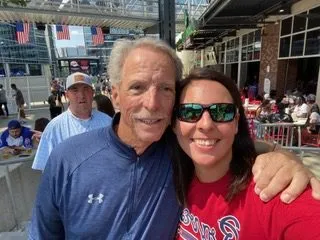

“I was in corporate America in retail and got my degree in management since that’s the road I was going down anyway, but that became more of a struggle when I met my wife Erin. She was also in retail and we wanted to start a family. The retail life is just inconsistent and it absorbs everything. We wanted to create more of a balance and have that family feel where we could be available when we had kids. So that’s when I made the leap of faith to join USHEALTH Advisors. I’d never dealt with health insurance before, never really used health insurance, so I was green all the way around, but I knew that I wanted more. I knew that I was slowly getting capped out in my management career.”
The desire to have no ceiling on her income. The freedom to control her time and her hours. Heather was looking for way out of the retail world, to control her own destiny. That new destiny found Heather making a trip down south.
“I knew that I wanted to make a transition, but I knew I couldn’t take a pay cut, so I literally just went on a job site and I found the ad for USHealth Advisors and applied for it. I got the call, and the invitation to come down to the pitch. Erin and I were living in Savannah, but I made the drive down to Jacksonville, Florida, sat through the pitch from Division Leader Steve Savino, and signed up right there. I didn’t even talk to Erin about it. Our connection, our relationship, is that we trust each other’s decisions, so I felt very confident signing up right then for the pre-licensing course. I went through the licensing course while we were living in Savannah. After I passed the state exam, within 30 days we moved down to Jacksonville so I could be in the office. I knew that I wanted to start this the right way. I didn’t want to do anything remote, I wanted to be right there next to the people that were teaching me. So we moved down to Jacksonville and that’s where I got going.”
“I still remember being in that recruiting pitch and hearing there’s no cap on your salary and I perked up, because ultimately that’s mainly why you make a transition, is to make more money and do better for yourself and your family. And so I knew my abilities in sales and customer service were strong, so I felt this is right up my alley. All I have to do is learn the product. I loved what I heard about the company, what it stood for, HOPE. I’d never done a commission sales job before, but I wasn’t really scared because I was confident in myself. Still, being able to take that leap into this transition, into the insurance world, that would definitely be one of my biggest accomplishments – becoming self-employed and then a business owner.”

While having the courage to become a business owner is a big deal, Heather also shares that one of her personal accomplishments was believing in “the one” – and not letting her future wife slip away – at least the second time around.
“I met Erin in retail actually, this was down in Valdosta, Georgia, when I was in college and working. And we ended up working together at Polo Ralph Lauren. Erin’s from up around Atlanta, but she moved down to Valdosta for school and we met there and briefly dated. It’s like one of those fairytale stories, because although we dated, it was just the wrong time, the wrong place, we were too young. We actually went our separate ways for about seven years and then reconnected down in Gainesville, Florida. Retail brought us back together and I just knew from our time together before that she was probably the one that got away. So when we reconnected, I was like, I’m not going to let her go again. So I proposed to her down in Gainesville and then fast forward, we got married in Charleston, South Carolina and moved to Savannah.”
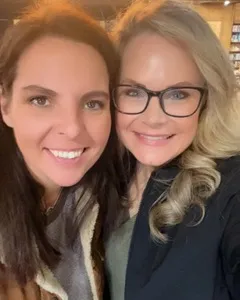
While her family life was settled, the business world was still a bit of a rollercoaster ride. Trying something new always has its challenges. The leap of faith, while courageous, doesn’t mean the landing on the other side is a soft one. Sometimes you hit the rocks on the way down and have to bandage the bruises and get back up. Heather admits that at first, she was looking to take it a bit easy with her new career at USHA.
“I made the rookie mistake of wanting to break the chains and the boss, where I’m not going to let them tell me what to do because I know better. I kind of took advantage of that. I was like, you know what? I’ve been working 12 hours a day in retail. I’m just going to work nine-to-five, make sure I’m home with the family for dinner. But within about a week or two, I realized if I’m going to do this, I better change some things. And so I really just kind of changed my whole business plan at that point. I was like, all right, I’m going to be a sponge. I’m going to soak up as much time as I can. I was in the office from open to close. I would work. There were times that I was in there and the only one left taking live lead transfer calls at 11 o’clock at night.”
“I didn’t get a super, super fast start. I did hit my $100,000 AV goal in 13 weeks, but barely, on the last day of the week. I’m a goal oriented type of person, so if you give me a challenge, if you set a goal for me, I’m not going to stop till I hit it. And that was my intention. I’m like, you know what? I’m here. I’m on a roll. I was dependent totally on the company leads, and I realized pretty quickly after just hammering the phones over and over and over, if I’m going to get more and I want more, then I’ve got to look outside the box. So I got into networking and BNI. I think I got my first new business in June, and by October I had joined BNI, and that’s what catapulted me. It was perfect timing, open enrollment was right there, and that got the business really moving fast for me. So after that it was just kind of, alright, keep your foot on the gas pedal and just keep going.”
Looking back on her beginning at USHA, Heather says she also realizes she had to develop a philosophy that if she was to become successful, she also had to make some changes. If you want things to change, you have to change. If you want things to get better, you have to get better.
“My biggest challenge was the concept of becoming self-employed,” says Heather, “ironically, because I had always worked in corporate America, where you do what they say. You clock in, you take a lunch, you clock out, they tell you what your days you work and which days you can take off. And so coming out of that and realizing, hey, there’s nobody above me telling me what to do, when to do and how to do it, you have to hold yourself accountable. And raising my expectations and holding myself accountable to make these adjustments and make this a successful transition, that was definitely a learning curve for me. So learning the ins-and-outs of how to become a successful business person was a pretty difficult obstacle to overcome. But it’s just diving in and becoming a sponge and surrounding yourself with other like-minded business people, to learn best practices and that’s what I did to help get me to where I am.”
Once she stepped into a leadership role at USHEALTH Advisors, the focus shifted from me, to we. The challenge shifts as well, helping to groom others to emulate your success. Besides the nuts and bolts of the business, there’s the intangible, the part that you don’t learn in a training session or in a brochure, it’s written in the book of life and personal relationships. It’s the deepest principle in human nature, the craving to be appreciated. To make others feel that they matter. If you fulfill those desires and go all in, then you win. For years, Heather had worked on perfecting the human to human part of business.

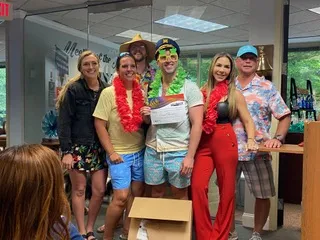

“As a person that thrives off of verbal recognition I started early in my retail career doing the same for my employees,” says Heather. “At the end of our shifts I would make sure every employee knew how much I appreciated the work they had done that day by telling them, thank you, and how much I appreciated them and their work. I knew how those words made me feel when someone would tell me how much they appreciate me, or what a good job I was doing, and if I could make someone else feel even a little bit of what I felt, I wanted to give that to them. People want to be seen, and when you acknowledge their hard work and efforts they will continue to work hard and do their best. Compliments are free and worth giving all of the time.”
Giving is in Heather’s DNA, and now Heather is giving time back to her family, to Erin and especially to Jaxson, who was born shortly before Heather started at USHA. Jaxson has a busy schedule and is taking part in things that Heather doesn’t want to miss.

“So this past February, I stepped back to be a platinum agent. Before that I was a Satellite Division Leader, so I worked my way up the ranks to that position, but recently made the decision to keep more of a work-life balance for me because I was missing out a lot with Jaxson’s sports and activities. I still go into the office occasionally. I love my team.”
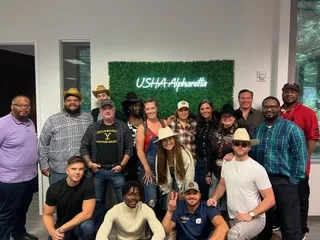
“That was the hardest decision I think I had to make because I’ve got these people here that count on me. They depend on me. I love watching them grow and succeed, but at some point you do have to make a personal decision and it’s like I sacrificed the time with my family for six-and-a-half-years, and that was okay with me because Jaxson was still growing up. He didn’t have a lot going on, so I chose to sacrifice the time back then. But now that he’s into sports, lacrosse and football, and it’s go, go, go… I want to make sure that I’m there for him as well.”
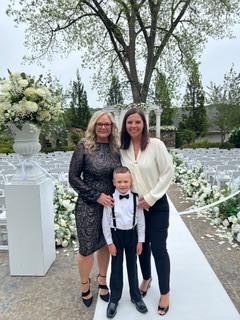
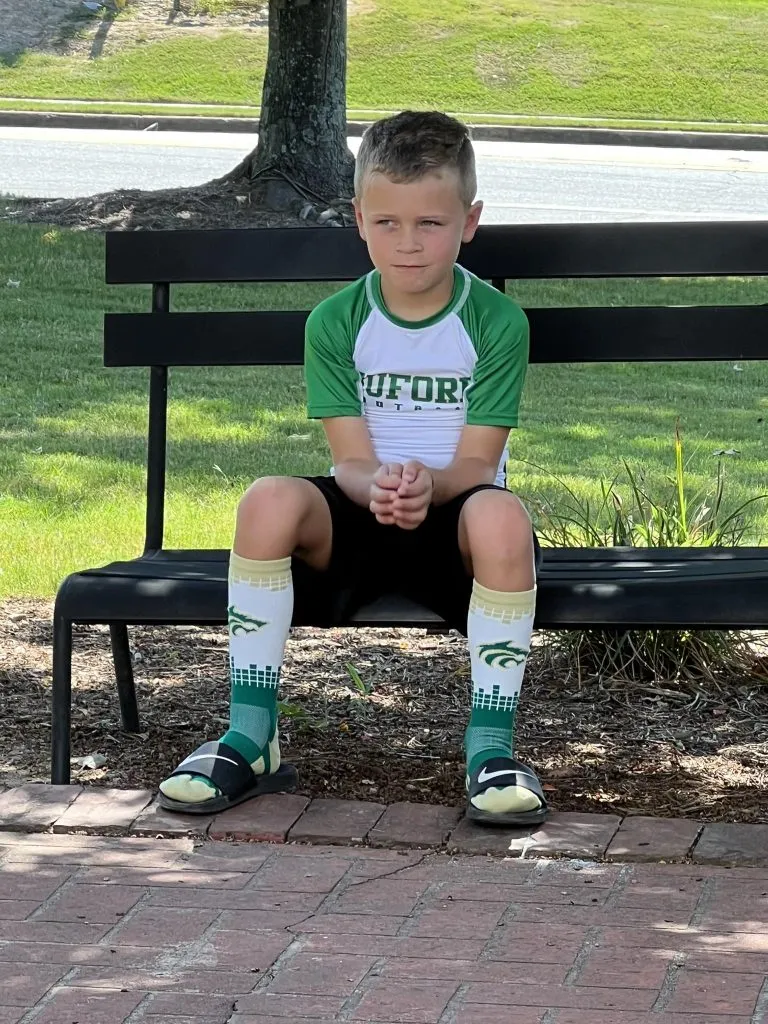

Heather’s hard work at USHA has also now afforded her and her family the opportunity to do more than just cheer on the sidelines at Jaxson’s games, they are starting to see the world.
“We like to travel,” says Heather. “We like to go to different places and give Jaxson that experience too. Erin had a similar kind of upbringing as me where we didn’t travel a whole lot, kind of deprived in that area. So next month we’re all going to Costa Rica, and that’ll be our first time doing something like that together. But this opportunity, this career has definitely put us in the position where we can afford do that. If we were both in retail, it wouldn’t be possible, but this has allowed us to do these things and show Jaxson different areas of the world and different traditions and different ethnicities. So giving him that exposure to other parts of the world is great, but then Erin and I are doing it for us too.”
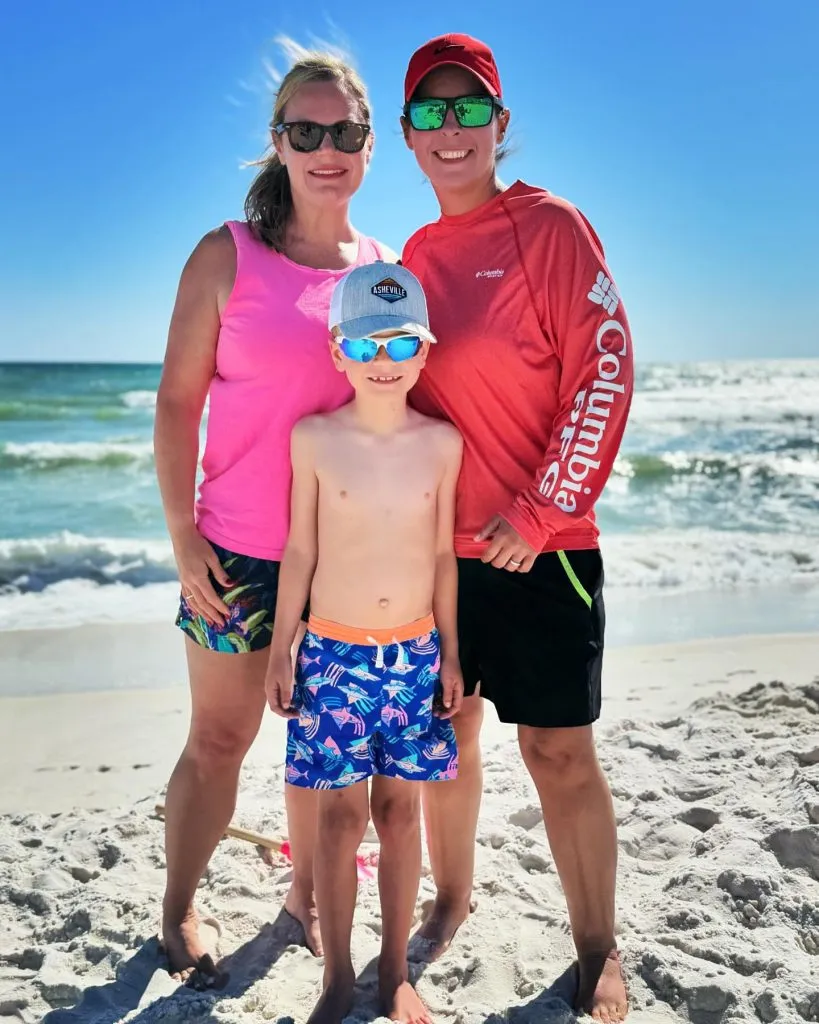
Work hard, play hard. Heather is committed to both. But it’s her commitment to getting better all the time that’s been the driver to help Heather reach some big goals, as well as then reaching back to help others to do the same, whether it’s at work or at home.
“If I had one thing I hope people would remember me by, I think it would be I’ve always focused on being a caring, loyal person, whether it’s with my clients, with my colleagues, with my friends, or with my family. I think that’s the biggest compliment, is just being known as a trusted, caring person.”
Until next time, thanks for taking the time.
Your Storyteller,
Mark Brodinsky